


For years, the debate over election security in the United States has followed a predictable script. Many voices on the political left have insisted that American elections are already secure and that additional identification requirements risk suppressing voter participation. According to this argument, calls for stricter ID laws or proof-of-citizenship measures are unnecessary at best and discriminatory at worst, particularly toward women, minorities, and low-income voters.
Yet recent testimony during a Minnesota legislative hearing has reignited the controversy, offering a glimpse into how the state’s system actually works—and why critics say it deserves closer scrutiny.
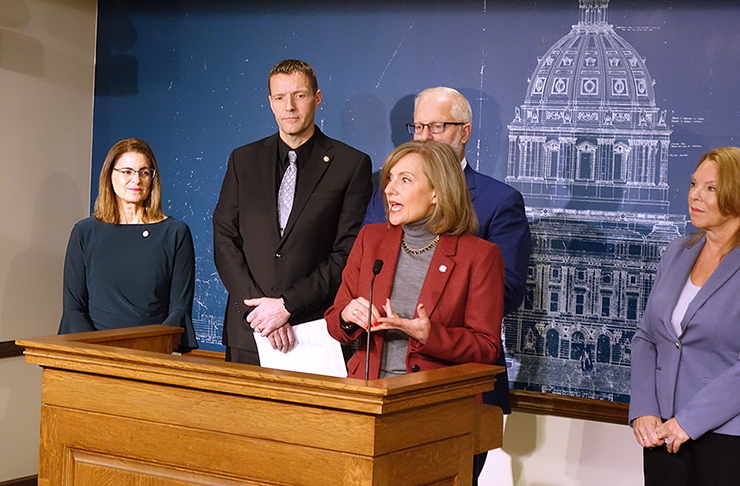
During the hearing, Minnesota State Representative Patti Anderson questioned state election officials about the mechanics of voter registration and verification. Her line of questioning focused on whether individuals who possess a state-issued driver’s license could register to vote even if their Social Security information does not fully match federal records.
Anderson framed the issue directly. In her scenario, a person obtains a driver’s license, registers to vote, and is flagged in the system due to a mismatch with their Social Security number. She then asked whether that person could still appear at a polling location, present their license, sign a statement affirming eligibility, and cast a ballot.
🚨 IT’S OFFICIAL: Minnesota elections official ADMITTED that illegal aliens can vote in elections
Corrupt states give illegals IDs or licenses, then they vote
They cheat rampantly.
PASS THE SAVE AMERICA ACT! This is existential! 🇺🇸pic.twitter.com/ev2fRa4c3k
— Eric Daugherty (@EricLDaugh) March 15, 2026
Minnesota Director of Elections Paul Linnell responded with a detailed explanation of the system, emphasizing that a driver’s license primarily serves as “an affirmation of identity.” In other words, it confirms who someone is, but not necessarily whether they meet the legal qualifications required to vote.
Linnell noted that potential discrepancies in voter records can be flagged within the system, but enforcement largely depends on challenges raised during the voting process or investigations referred to county attorneys after the fact. When Anderson pressed the issue again, she summarized the exchange by concluding that her understanding of the process was correct.
The moment quickly circulated among election policy advocates, with critics arguing that the exchange demonstrates a potential gap between identity verification and citizenship verification in some voting systems.

The discussion comes as Congress debates the SAVE America Act, legislation that would require proof of citizenship when registering to vote in federal elections. Supporters argue the bill would close vulnerabilities by ensuring that only eligible citizens are added to voter rolls. Opponents counter that existing safeguards are sufficient and that additional documentation requirements could create barriers for legitimate voters.