


The International Olympic Committee has drawn a hard line ahead of the 2028 Los Angeles Games, announcing a policy that restricts women’s competition to biological females and introduces mandatory genetic screening to enforce it.
Under the new rules, eligibility for female categories will be determined through a one-time test for the SRY gene, a marker typically associated with male biological development. The screening can be conducted through saliva, cheek swabs, or blood samples, and will apply across all Olympic events, including both individual and team sports.
The IOC described the move as a direct response to concerns over competitive fairness and athlete safety. Officials said the policy was built on scientific input and expert consultation, emphasizing that separate male and female categories exist to ensure equal access to elite competition. The organization tied the decision to its stated priorities of maintaining fairness in finals and medal events while preserving opportunities for female athletes to compete at the highest level.
🚨BREAKING: The International Olympic Committee (IOC) bans men from competing with women:
“Athletes who screen negative for the SRY gene permanently satisfy this policy’s eligibility criteria for competition in the female category. Unless there is reason to believe that a… pic.twitter.com/4vFlBrbEm2
— Benny Johnson (@bennyjohnson) March 26, 2026
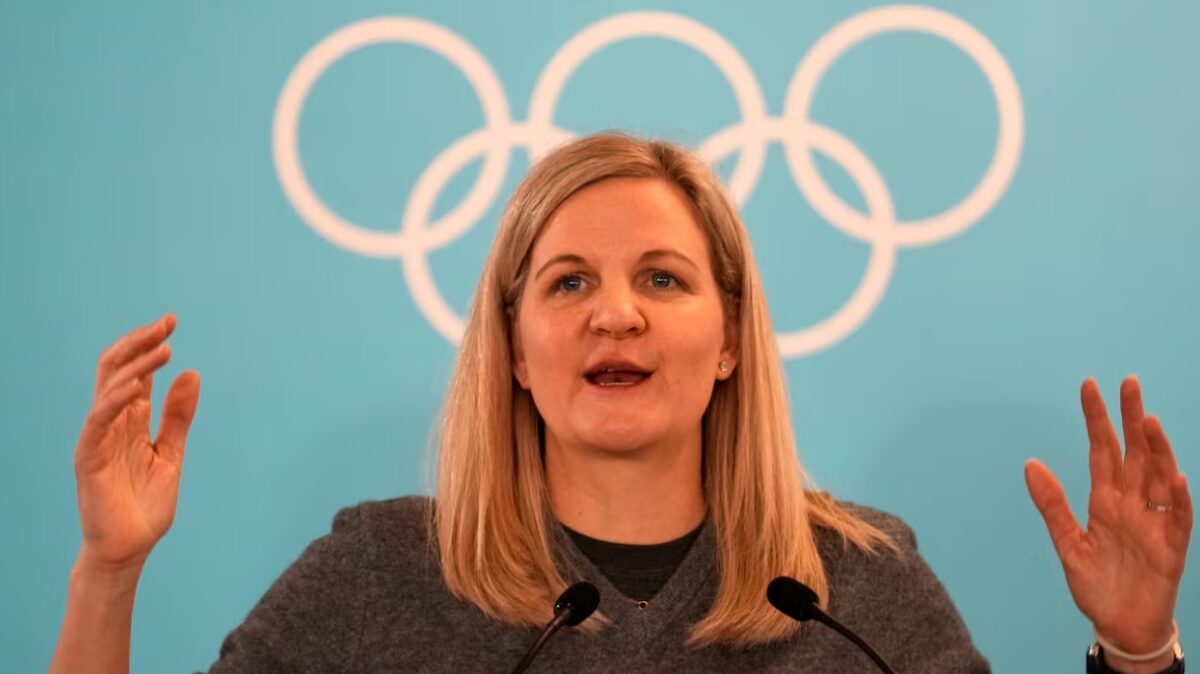
IOC President Kristy Coventry framed the issue in practical terms, pointing to the narrow margins that often decide Olympic outcomes. She stated that allowing biological males to compete in women’s events would create clear competitive imbalances, and in certain sports, raise safety concerns. The policy, she said, is designed to eliminate those variables rather than manage them case by case.
The decision follows years of fragmented standards across international sports federations. Data presented at a World Athletics panel in Tokyo indicated that between 50 and 60 athletes with male biological advantages have reached finals in women’s events at global and continental competitions since 2000.
That panel, led by Dr. Stéphane Bermon, argued that sex-based testing remains necessary due to what was described as an overrepresentation of athletes with differences of sex development in elite female competition.
Additional figures cited in the debate include a United Nations report that tracked outcomes across multiple sports. According to that report, nearly 900 medal placements were missed by female athletes in competitions where transgender athletes competed, based on data compiled through early 2024.

The policy has also drawn political attention in the United States. White House press secretary Karoline Leavitt credited recent federal action on women’s sports as a contributing factor behind the IOC’s decision, though the IOC itself did not attribute the change to any single government policy.