

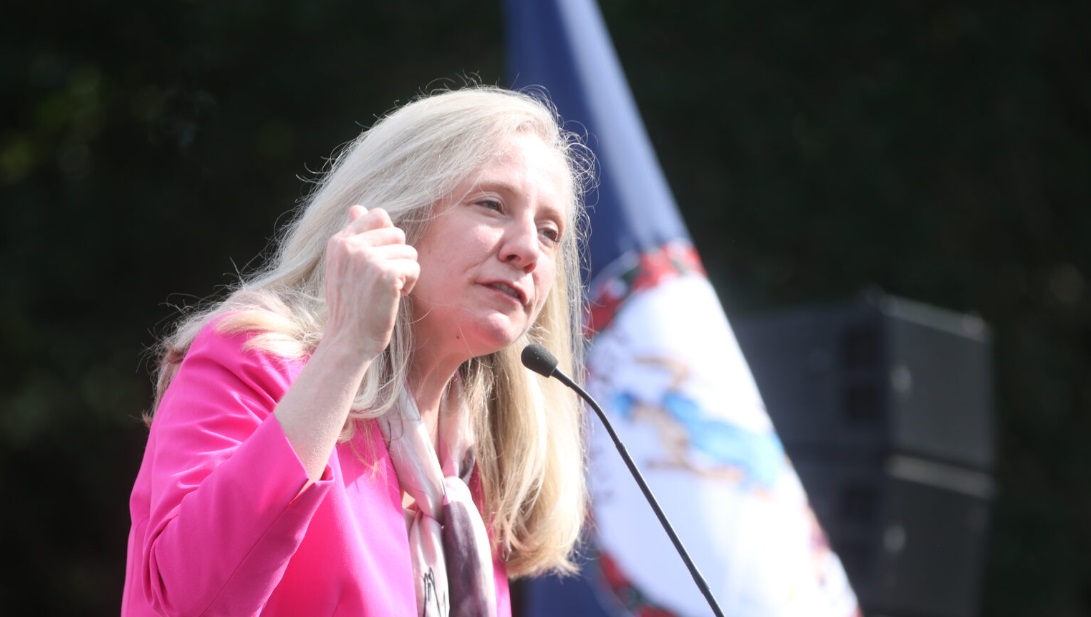

The phrasing was careful, but the implication was clear. Virginia Governor Abigail Spanberger isn’t committing to new taxes—yet—but she’s making it known that the idea is very much on the table.
In a recent interview, Spanberger was asked directly about expanding taxes to cover services like gym memberships, digital subscriptions, and even dog grooming. Her response didn’t close the door. Instead, she framed it as part of a broader, ongoing discussion about how states generate revenue as the economy shifts.
“I think every idea, as long as it’s reasonable and makes some amount of sense, should be discussed,” she said, signaling a willingness to explore options that, until recently, weren’t part of traditional tax structures.
That shift matters because the economy itself has changed shape. Transactions that once involved physical goods—DVDs, for example—now happen through digital platforms that often fall outside older tax frameworks. Spanberger pointed directly to that gap, noting that streaming services don’t fit neatly into systems originally built around tangible purchases.
At the same time, the political pressure is already building. President Donald Trump criticized Spanberger sharply, accusing her of pushing a wide range of new taxes and portraying Virginia as a state losing its economic edge. His claims reference a slate of proposed measures that would extend taxes into areas like storage services, vehicle repairs, and digital infrastructure.
But those proposals didn’t originate under Spanberger’s watch. Many were introduced during the administration of her predecessor, Glenn Youngkin, and none made it to a final vote before the legislative session ended. That detail complicates the narrative, especially as Spanberger pushes back against claims that she’s already enacted sweeping tax increases.
So far, her record is limited. Aside from approving a gradual increase in the minimum wage to $15 an hour by 2028, she hasn’t signed off on broad new tax expansions. Still, her recent comments suggest she’s not ruling them out either.

That leaves Virginia in a familiar position: caught between a changing economy that doesn’t align cleanly with existing tax models and a political environment where even discussing new revenue streams can trigger immediate backlash.
Spanberger’s stance, at least for now, is conditional. Any decision, she says, will depend on the specifics of a proposal—how it’s written, what it targets, and how it fits into the broader fiscal picture. Until those details exist, the debate stays in the realm of possibility rather than policy.