

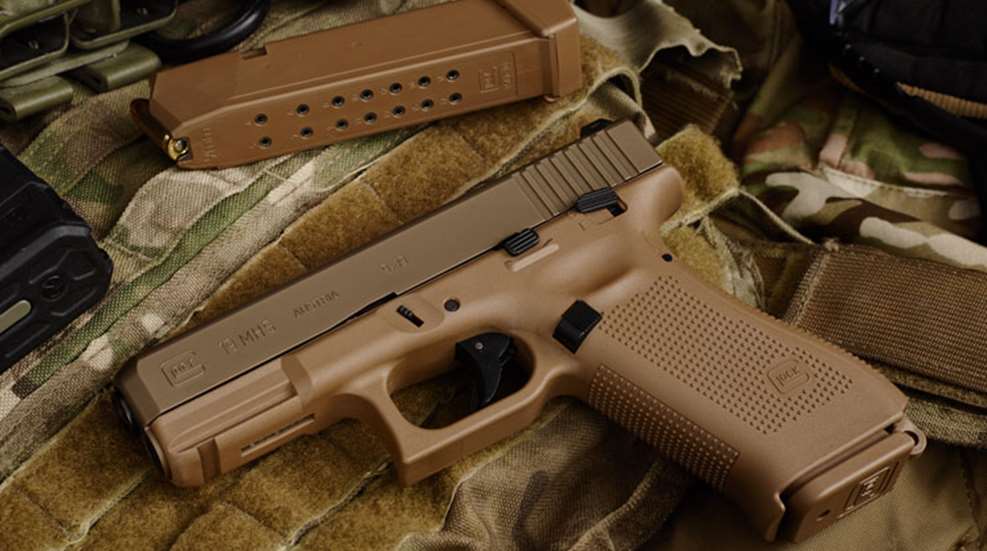

If true, it would be one of the quietest seismic shifts in the firearms market in years: GLOCK — the company whose polymer-frame pistols reshaped modern handguns — announcing the discontinuation of more than thirty models to “streamline” its commercial portfolio.
The list the company posted reads like a history of the brand’s dominance: multiple generations of G17, G19, G22, G30, G34 and more — familiar workhorses for law enforcement, competition shooters, and private owners alike.
Glock’s stated reason is straightforward corporate strategy: concentrate R&D, production, and marketing on the models that will “drive future innovation and growth.” That’s plausible. Big manufacturers trim lines all the time. But buried in the rumor traffic is a far more consequential motive: design changes to blunt illegal “switch conversions” that turn semiautomatic pistols into functionally automatic weapons.
According to retailer reports, the move toward new “V Models” would include mechanical changes intended to make those conversions difficult or impossible — and, per the claim, many legacy models would be phased out by November 30th.
If accurate, the decision is more than product management. It’s a response to a legal and political squeeze: California’s new law banning “semiautomatic machine gun‑convertible” pistols, public outrage after deadly incidents involving converted Glocks, and the simmering threat of regulator-driven market exclusion.
Glock’s FAQ insists discontinued models will continue to be supported, but support and production are different. Enthusiasts already fretting about collectibility, spare parts, and resale value have reason to worry.
There are two big fault lines here. First: enforcement and substitution. Critics warn that even redesigned pistols won’t stop bad actors — components can be 3D‑printed, aftermarket hacks engineered, and criminal ingenuity will try to outpace design fixes.

Second: political and legal pushback. Gun groups are lining up against California’s law; litigation could reshape what counts as a banned design and whether manufacturers must proactively redesign existing models to stay on state rosters.
For ordinary owners the immediate practical questions are simple: will my pistol still be serviceable? Will parts and aftermarket accessories become scarce? Will resale values spike? Glock’s promise to continue service is meaningful, but a halt in new production inevitably tightens supply and reshapes the secondary market.