


In a political climate where party loyalty often trumps independent judgment, a small group of House Republicans is breaking ranks — and the break is significant. Five GOP lawmakers have signed onto a discharge petition to overturn a Trump-era executive order that slashed union rights for federal workers, forcing a floor vote that Speaker Mike Johnson and GOP leadership had quietly resisted.
The move, led by Rep. Jared Golden (D-ME), who called the 2018 order “the single biggest act of union-busting in American history,” marks a rare and dramatic pivot. And it’s not just symbolic. A discharge petition, while obscure to many, is one of the few procedural tools in Congress capable of bypassing leadership control. Once 218 members sign on — a simple majority — the bill is automatically slated for a vote, regardless of who holds the gavel.
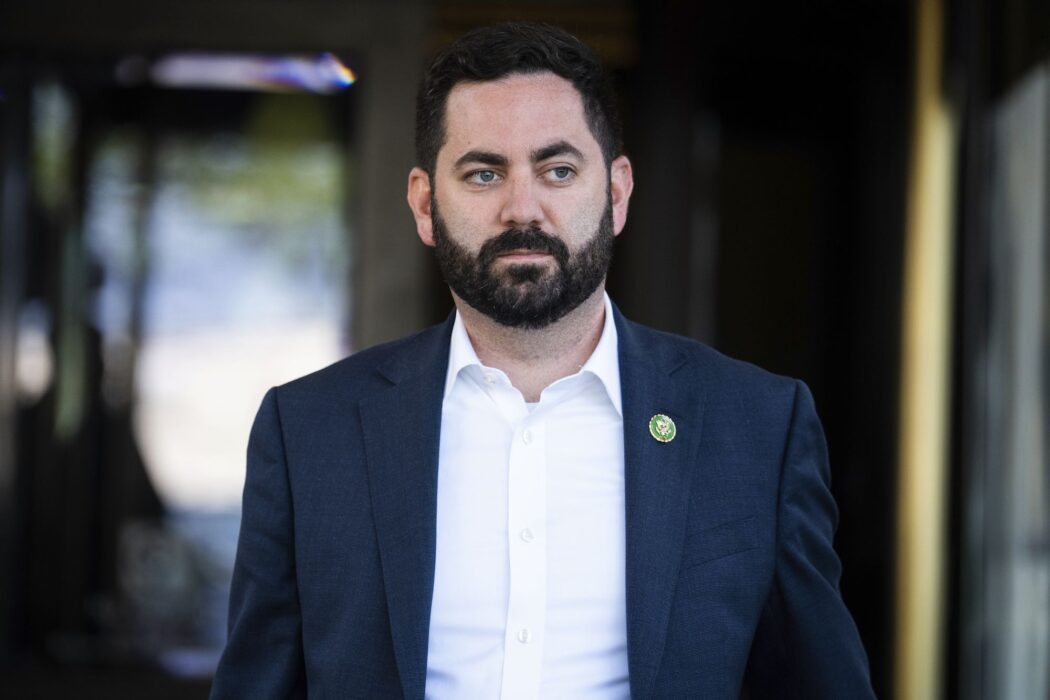
The petition gained its final signature this week from Rep. Mike Lawler, a moderate New York Republican known for representing a swing district and cultivating union support. “Restoring collective bargaining rights strengthens our federal workforce and helps deliver more effective, accountable service to the American people,” Lawler posted on X, positioning his decision as both principled and pragmatic.
He wasn’t alone. Nick LaLota (NY), Brian Fitzpatrick and Rob Bresnahan (PA), and Don Bacon (NE) also signed the petition — a mix of centrists and swing-district Republicans who, like Lawler, may be responding as much to political math as moral conviction. Union households vote, and the executive order in question impacted nearly one million federal employees across 18 agencies, many of whom live in their districts.
At the heart of the legislation is a Trump directive issued on March 27 that stripped union representation from employees in national security-related positions — a category the administration defined broadly. A White House fact sheet at the time said “certain Federal unions have declared war on President Trump’s agenda.” That framing set the tone for what would become one of the most contentious chapters in the ongoing battle between the executive branch and organized labor.
Now, that chapter is being reopened — and possibly rewritten.
The American Federation of Government Employees, the largest federal workers’ union, is throwing its full weight behind Golden’s bill. AFGE president Everett Kelley framed the effort as a historic correction: “This bill has been called labor’s top priority in Congress and for good reason – it seeks to undo the largest loss of collective bargaining rights in U.S. history.”

The political subtext, however, is harder to miss. This is the second time in two weeks that Republican lawmakers have crossed Trump — the first being a discharge petition to force the release of the Epstein files, which included four GOP names. That episode ended with Trump publicly reversing his position, signaling perhaps a growing tension between the former president and parts of his party as he angles for a return to the White House.
Still, the stakes here are different. The Epstein documents are about transparency and accountability. The union rights battle is about power — and whether federal employees can collectively bargain in the name of job security, working conditions, and fair wages.