

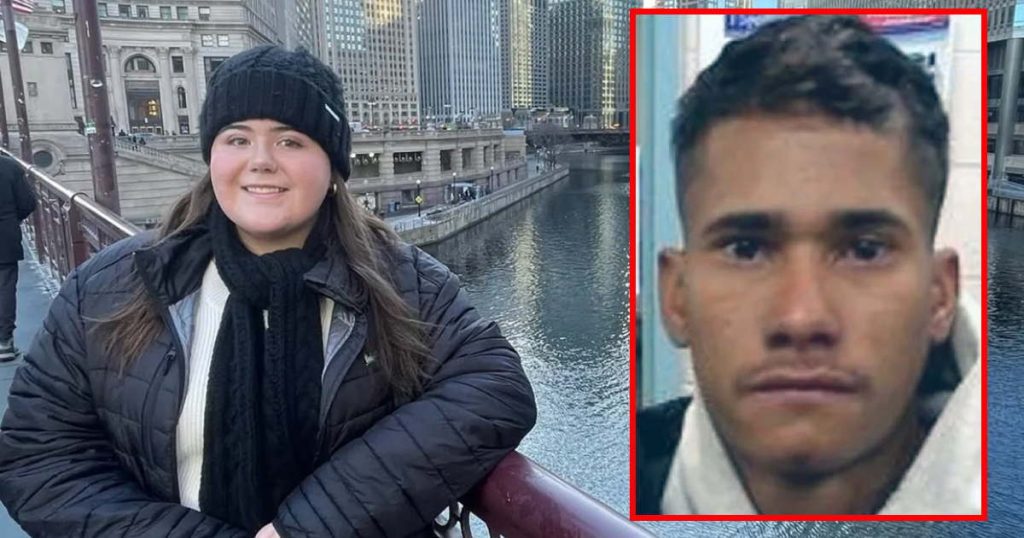

A fatal shooting in Chicago has intensified scrutiny over public safety, immigration enforcement, and political messaging following controversial remarks from a city official.
The case centers on the death of 18-year-old Loyola University freshman Sheridan Gorman, who was killed last week in what authorities describe as a violent encounter involving an individual previously apprehended by federal immigration officials.
Chicago police confirmed Sunday that Jose Medina-Medina has been arrested in connection with Gorman’s murder. According to federal authorities, Medina-Medina is a Venezuelan national who had prior contact with U.S. Border Patrol in 2023.
Immigration and Customs Enforcement (ICE) stated that he was released into the United States after that encounter and was later released again following a shoplifting arrest in Chicago in June of the same year.
The case has drawn further attention due to comments made by Chicago Alderwoman Maria Hadden. In a televised interview, Hadden suggested that the victim may have been in the “wrong place at the wrong time,” describing the circumstances as a routine outing that escalated unexpectedly.
She indicated that Gorman and others were engaged in typical recreational activity near a local pier when the incident occurred, adding that they may have unintentionally startled an armed individual.
The remarks have prompted criticism from those who argue that such framing shifts focus away from the suspect and the broader policy environment. Critics contend that emphasizing situational factors risks minimizing accountability and obscures systemic concerns related to repeat encounters with law enforcement and immigration authorities.

ICE issued a public statement following the arrest, asserting that Medina-Medina “should have never been here” and linking the case to sanctuary policies in Chicago and Illinois. The agency confirmed that it has lodged an immigration detainer and called on local officials to cooperate. Chicago’s longstanding sanctuary framework limits local law enforcement cooperation with federal immigration enforcement, a policy that remains a point of national debate.
As the legal process moves forward, attention is likely to remain focused on how local and federal authorities coordinate in cases involving non-citizen suspects with prior law enforcement contact. The outcome may influence both public perception and future policy decisions in Chicago and beyond.