

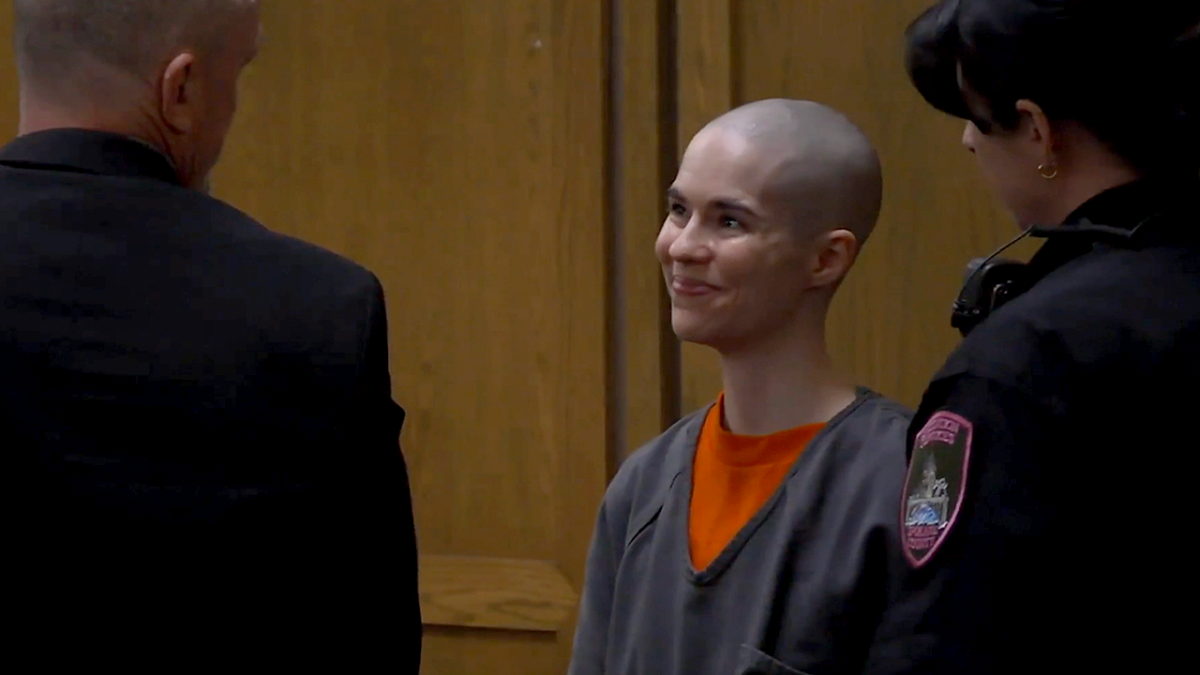

The details of the case came into focus slowly, but the central fact never changed: Alyssa Bradburn admitted, plainly and without hesitation, that she killed her father.
On April 2, inside a Spokane County courtroom, that admission translated into a sentence—340 months in prison, just over 28 years—for the 2024 shooting death of Timothy Bradburn. The punishment followed a jury’s earlier conviction for first-degree murder, paired with a firearm enhancement that added five years to the total.
What set the case apart was not just the act itself, but the behavior surrounding it. Prosecutors described a timeline that stretched back weeks before the shooting, outlining what they called deliberate preparation. According to testimony, Bradburn practiced with the firearm inside the home, sought assistance loading it at a gun range, and documented her intentions in writing. By the time her father returned from a trip to Hawaii on June 25, 2024, investigators say the plan was already set.
The scene that followed was stark. Timothy Bradburn was shot as he entered his home, still holding his suitcase and keys. His daughter later told authorities she fired multiple times, including a final shot to ensure he was dead. An autopsy concluded he had been struck four times.
Then came the 911 call. Bradburn reported the shooting herself, told dispatchers where the body was, and waited outside for officers to arrive.
In court, her demeanor drew attention. Prosecutors noted that she often appeared emotionless, at times even smiling. During her testimony, she did not dispute the core facts. “I killed Tim Bradburn, and I am guilty,” she said, adding that she accepted the likelihood of a long prison sentence.
Her defense initially pointed to claims of abuse, suggesting she acted in self-defense, but those allegations were later withdrawn. That shift left the case resting largely on the prosecution’s argument of premeditation, supported by the planning evidence and her own statements.

For the victim’s family, the proceedings carried a different weight. Bradburn’s brother rejected the earlier accusations against their father, describing them as damaging and untrue. His statement in court focused less on the legal outcome and more on the lasting impact of the loss.
Judge Julie McKay, in handing down the sentence, acknowledged both the severity of the crime and the limits of the court’s response. The term fell within the standard range but reflected the gravity of a killing that, as prosecutors argued, did not happen in a moment of impulse.
Bradburn will also face additional conditions after her release, including community custody, financial restitution, and a permanent prohibition on contacting her brother.