

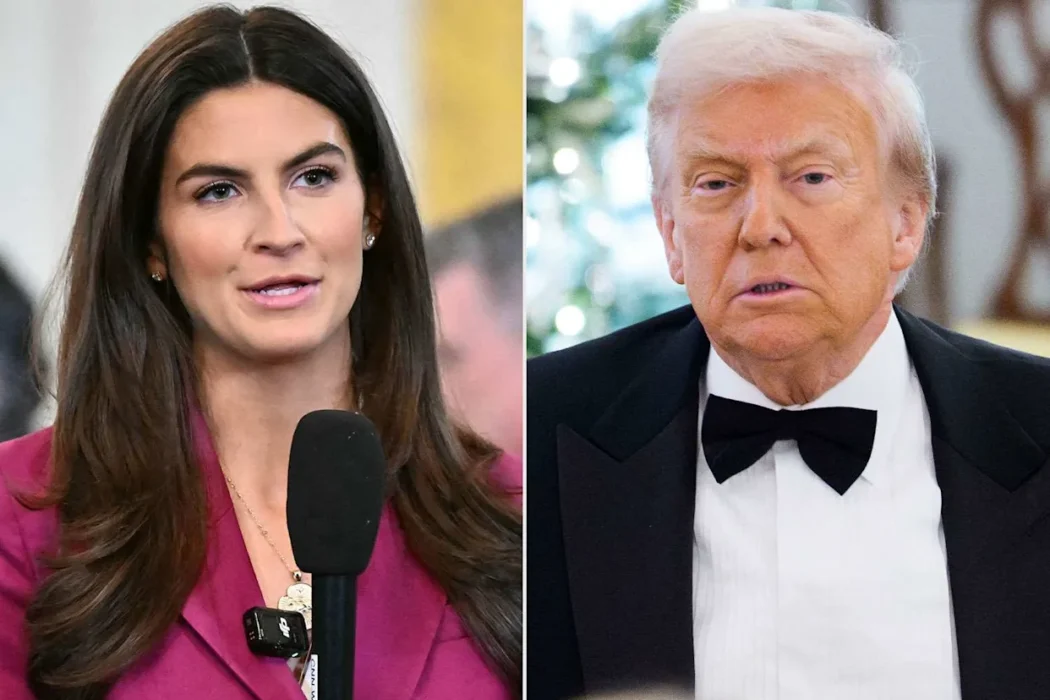

There are moments in politics when the divide between elected leaders and the people covering them feels less like a disagreement and more like two entirely different worlds operating side by side. Watching some members of the national press react to President Donald Trump can feel exactly like that. The frustration, the irritation, the visible displeasure—it is often right there on camera for everyone to see.
🚨 LMFAO!! PRESIDENT TRUMP TO KAITLAN COLLINS:
"CNN has a corrupt reporter standing RIGHT THERE, she NEVER smiles. A young, beautiful woman — never smiles! I never see a smile on her face. I see her standing there with HATRED in her eyes, she has hatred because we have borders,… pic.twitter.com/e7xwN7SIbI
— Eric Daugherty (@EricLDaugh) June 3, 2026
For years now, critics of the President have argued that journalists are simply doing their jobs by asking tough questions. Supporters, meanwhile, look at the same exchanges and see something completely different. They see a press corps that appears personally invested in opposing Trump and, by extension, much of the Republican agenda. To those viewers, the expressions, the tone, and the constant confrontational attitude tell the story long before the actual questions begin.
Love this. She IS miserable because USA is doing well. Sick. https://t.co/RHUncsbha8
— Bridgett Eckerle (@auntbepatriot) June 3, 2026
That is why moments involving CNN’s Kaitlan Collins often generate so much discussion. Every exchange becomes another chapter in a larger debate about media bias and political coverage. Trump’s supporters frequently argue that no matter what positive developments occur, many reporters seem unable—or unwilling—to acknowledge them without attaching criticism. Whether the topic is border security, economic performance, foreign policy, or public safety, the reaction from certain corners of the media often appears skeptical at best and openly hostile at worst.
Mmmmhmm. Good stuff!
💪🇺🇸❤️🤍💙— Penny (@PJW15210) June 3, 2026
From that perspective, it becomes difficult to understand why good news would be met with frustration. If supporters believe the country is moving in a positive direction, they naturally wonder why some commentators seem unable to share in that optimism. To them, a safer country, a stronger economy, or successful policy outcomes should be reasons for celebration rather than resentment.
This Is The Right/Perfect Way To Deal With these Lunatics!!!
👍 Great Job BOSS!!! 😂 https://t.co/usuUmQCto0— Ara (@Ara1Truth) June 3, 2026
That disconnect is what fuels so much of the tension. One side sees accountability journalism. The other sees political opposition disguised as journalism. Neither side is likely to change its mind anytime soon.
The exchange also sparked discussion about Trump’s remarks toward Collins, including his description of her as young and beautiful. Supporters viewed the comment as complimentary and even generous. Critics, unsurprisingly, saw it differently. That reaction itself became part of the broader conversation, with many Trump supporters arguing that remarks which would be shrugged off in other circumstances are often treated as major controversies when Trump is involved.