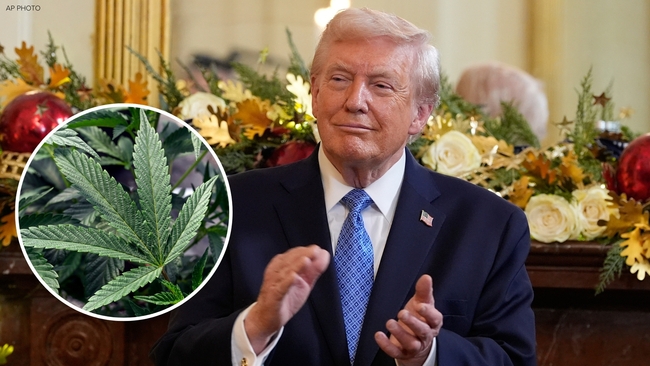

A significant shift in federal drug policy is now underway, and while it hasn’t dominated headlines, the implications are already drawing scrutiny from lawmakers, regulators, and the medical community. The Department of Justice, alongside the Drug Enforcement Administration, has formally moved certain cannabis products out of the most restrictive classification under federal law, following an executive order signed in December 2025 by President Donald Trump.
The change targets a specific category: FDA-approved marijuana-based drugs and cannabis products distributed through state-licensed medical programs. These are no longer classified as Schedule I substances—alongside drugs like heroin—but have been moved to Schedule III, a category that acknowledges accepted medical use and a lower potential for abuse. At the same time, federal officials have initiated an expedited administrative process to consider whether all marijuana should be reclassified under the same standard. That hearing is scheduled to begin on June 29, 2026.
Under the decisive leadership of @POTUS, this Department of Justice is delivering on his promise to improve American healthcare. This includes:
• Immediately rescheduling FDA-approved marijuana and state-licensed marijuana from Schedule I to Schedule IIl
• Ordering a new,… pic.twitter.com/DUtqKQgavl
— Acting AG Todd Blanche (@DAGToddBlanche) April 23, 2026
The distinction is critical. Recreational cannabis, even in states where it is legal, remains a Schedule I substance under federal law for now. The current action does not legalize marijuana nationwide, nor does it remove federal restrictions on non-medical use. Instead, it creates a narrower federal alignment with existing state-level medical programs, which now operate with a clearer legal framework.
Acting Attorney General Todd Blanche cited both international treaty obligations and the reality of widespread state regulation as justification for the move. The reclassification also opens the door for expanded clinical research, which has long been limited by cannabis’s previous status. Researchers, healthcare providers, and pharmaceutical developers now face fewer federal barriers when studying or prescribing qualifying cannabis-based treatments.
Growing the marijuana industry endangers the health and safety of Americans. The only winners from rescheduling will be bad actors like Communist China and drug traffickers.
I led a letter with 22 of my Senate colleagues voicing concerns about marijuana rescheduling. ⬇️ pic.twitter.com/eVDSAd3zlX
— Senator Ted Budd (@SenTedBuddNC) December 18, 2025
The policy shift has not gone unchallenged. Some Republican lawmakers previously urged reconsideration of the executive order, raising concerns about potential downstream effects, including broader legalization. Others have pointed to the pharmaceutical industry’s stake in the issue, though those claims remain part of ongoing political debate rather than formal findings.
What remains clear is that this action creates two parallel tracks: immediate changes for regulated medical cannabis, and a pending decision that could reshape federal drug policy more broadly. With forty states already operating medical cannabis programs, the federal government is now, at least in part, adjusting its framework to match a system that has existed for years at the state level.
The June hearing will determine whether that alignment expands—or stops where it is.