

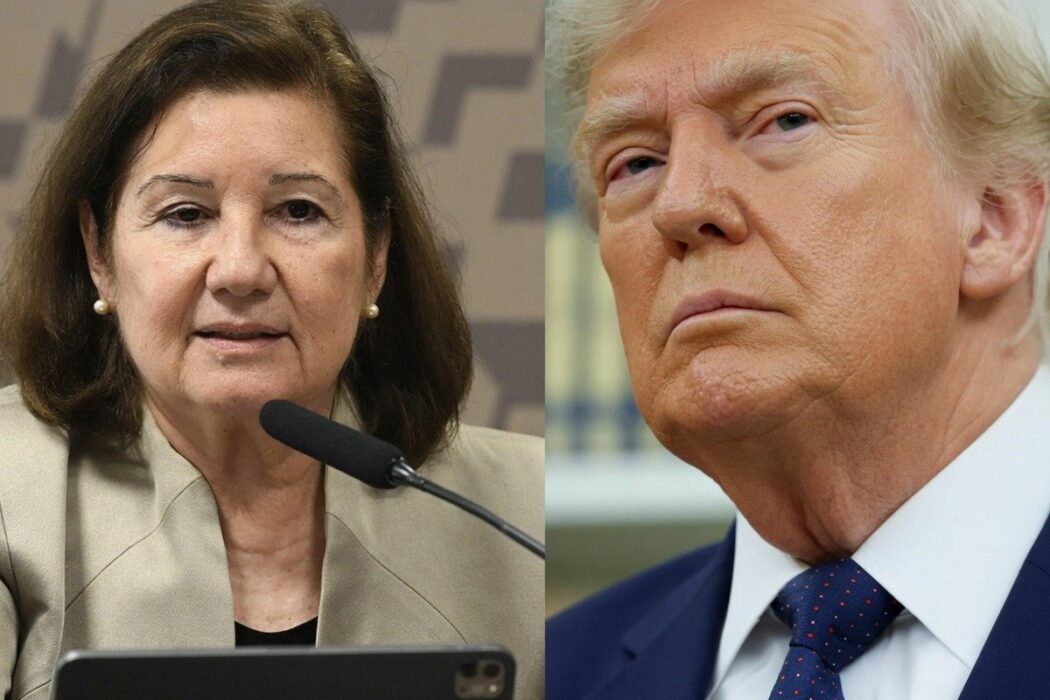

It's a bit of a paradox that Brazil's ambassador is still in Washington after the Trump administration yanked her visa on Tuesday. She faces no expulsion, but she can't leave and come back. That's the twist nobody saw coming.
She stays right where she is, but if she steps out, she needs a new visa to return. It's a sharp move by the White House that stops the usual diplomatic dance. According to Fox News Politics, the action targets Ambassador Maria Luiza Ribeiro Viotti directly. She wasn't declared persona non grata, which means she isn't thrown out—she's just stuck. Her travel ability is gone, and her ability to do routine work is blocked.
This all started as a simple tit-for-tat. Last month, Brazil said no to two American diplomats, blocking Riley Barnes and his top aide. The State Department called it a routine trip, but Brazil called it meddling. Brazilian President Luiz Inácio Lula da Silva claimed the Americans were plotting against his election, stating that two young individuals bound for Brazil to interfere in its elections had their visas denied this week. The U.S. official denied that claim, saying they were just trying to do "routine, common work between the two countries." Now the U.S. has matched that denial. A senior State Department official stated that reciprocal measures were taken against the Brazilian diplomat present to show that such situations can't remain one-sided.
The Trump admin just revoked the visa of Brazilian ambassador to the U.S. Maria Luiza Ribeiro Viotti, after Brazil refused to approve Trump's nominee for U.S. ambassador to Brazil, Daniel Perez
OMG 🤣 pic.twitter.com/SUPGuCnayM
— Libs of TikTok (@libsoftiktok) August 5, 2026
The part that feels like a game of chess is that the U.S. revoked the visa, yet Viotti remains. She can keep working if Brazil does one thing: approve the U.S. pick for their own ambassador. That pick is Danny Perez, a former Florida House Speaker who was nominated back in June. Brazil has stalled on him, saying they'd wait until after their election in October. Officials told the New York Post that the step had been delayed several times. They gave President Lula room to back down. He didn't do it. So the U.S. pulled the trigger. The visa is gone.
Yet the door isn't locked. The State Department says this can be fixed quickly. If Brazil accepts Perez, the U.S. will let Viotti resume her duties. It's a clear message: you stop blocking our people, and we stop blocking yours. The official noted, "If there's going to be limitations on one side's diplomats, they will be reciprocated."
The U.S. wants to make sure the playing field is even. For weeks, they maintained constant communication with the Brazilian government and provided them ample chance to act correctly, yet they persistently delayed and obscured the truth. That's the exact quote from the U.S. side. They waited. They gave chances. Now the rules have changed.
The timing hits right before a major election, with Lula facing Sen. Flávio Bolsonaro in the October 4 polls. Bolsonaro's family has deep ties to the Trump administration; his father was also president of Brazil. The dispute centers on influence rather than bureaucratic procedures. The U.S. sees Brazil's delay as a way to hurt American interests. Now the U.S. has matched that energy. The move is a direct response to Brazil's refusal to approve Perez and a response to the denial of the two other diplomats.

This is a hard line taken by the White House. They aren't asking for permission; they're setting the terms. The U.S. action was taken in retaliation for Brazil's withholding formal approval for the Trump administration's pick. The U.S. says the Brazilian side has no right to delay. The senior State Department official called it a "reciprocal action." It's simple logic. If you block us, we block you. The U.S. is done waiting for Brazil to change its mind. The visa is revoked. The ambassador stays put. The ball is now in Brazil's court. If they want to fix this, they must act before the October election. If they do not, the standoff continues. The U.S. is clear: no more delays. No more obfuscation. Just results.