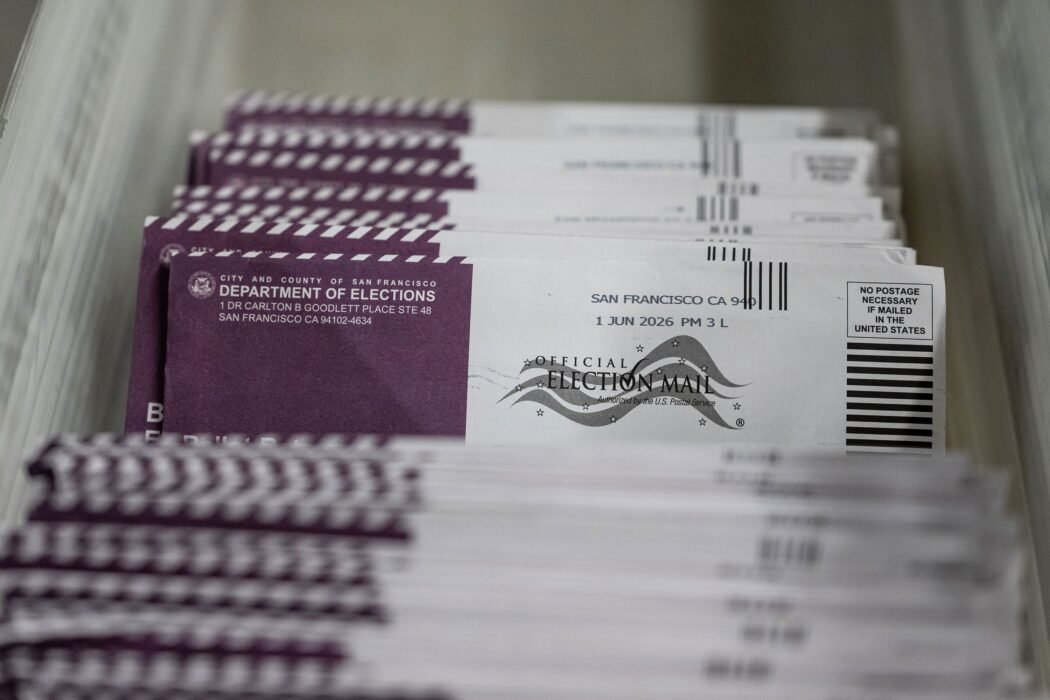

The Supreme Court denied the Department of Justice's emergency request on Monday to force California officials to set aside 20,000 mail-in ballots linked to suspected noncitizens. This decision came just one day before the midterm elections, according to RedState. The high court refused to intervene after lower courts ruled that the federal government overstepped its authority to alter state election rules at the eleventh hour.
Solicitor General D. John Sauer had asked the justices to order California to immediately separate these ballots while the court weighed the appeal. He argued that mixing these votes with lawful ones would make it impossible to remove them later if they were found illegal. "Once California commingles the challenged ballots with lawful ones, there is no way to get the challenged ballots back," Sauer wrote in the filing, per the New York Post.
The request followed a string of losses for the administration in federal courts. A divided 9th U.S. Circuit Court of Appeals rejected the bid last Friday in a 2-1 decision, according to the Washington Examiner. The majority panel said the DOJ lacked legal authority and warned that the move could disenfranchise eligible voters. They also cited Supreme Court precedent that warns against changing election rules so close to a vote.
BREAKING: The Supreme Court denied the Trump administration's emergency request to force California to set aside mail-in ballots from roughly 20,000 suspected noncitizens until their citizenship could be verified, one day before the midterm elections. https://t.co/hjQzYV7Ht3
— SCOTUS Wire (@scotus_wire) November 2, 2026
Judge Patrick Bumatay, a Trump appointee, dissented from the appeals court ruling. He warned that waiting until after the ballots were counted would destroy any chance to fix the issue. "once those ballots are processed, it would be impossible to identify them," Bumatay warned, per the New York Post. The application now went to Justice Elena Kagan, who handles emergency matters for the 9th Circuit.
The case centers on individuals the government believes are registered voters but are likely not U.S. citizens. The DOJ wanted to segregate these ballots while disputes over eligibility were resolved. "The only way to preserve the district court's ability to grant relief to the United States after a full merits proceeding, therefore, is to segregate the challenged ballots now," Sauer wrote, according to the New York Post.
The denial came shortly after First Assistant U.S. Attorney Bill Essayli announced new arrests in Operation Protect the Vote. Six additional foreign nationals were arrested for allegedly registering to vote and lying about their citizenship to become naturalized, RedState reported. Essayli has enlisted local district attorneys to help prosecute those who claimed U.S. citizenship to register illegally.
At a Monday press conference, San Luis Obispo County District Attorney Dan Dow declared that one individual within his jurisdiction had been arrested. He stated his office is approaching a filing decision while currently investigating 16 additional people. Although the government asserts all individuals on the list are confirmed noncitizens, they must still determine voter registration status.

First Assistant Attorney Bill Essayli defended the data against challenges from immigrant rights advocates on social media over the weekend. "Everyone on the list is a confirmed noncitizen," Essayli wrote in response to a reporter, per the Washington Examiner. He acknowledged that investigators still needed to verify voter registration status for those on the list.
The legal fight continues as the specific case of USA vs. State of California remains active. A hearing on the merits is scheduled for November 13, according to RedState. The Supreme Court's denial means the ballots will likely be counted as part of the standard process in California.
The administration called the request a "modest remedy" that would not toss out a single vote. Sauer explained that isolating the ballots would grant officials time to verify the eligibility of the voters listed. According to The New York Post, this case compels the high court to consider the limits of Washington's authority to mandate late changes to state vote-counting methods.