

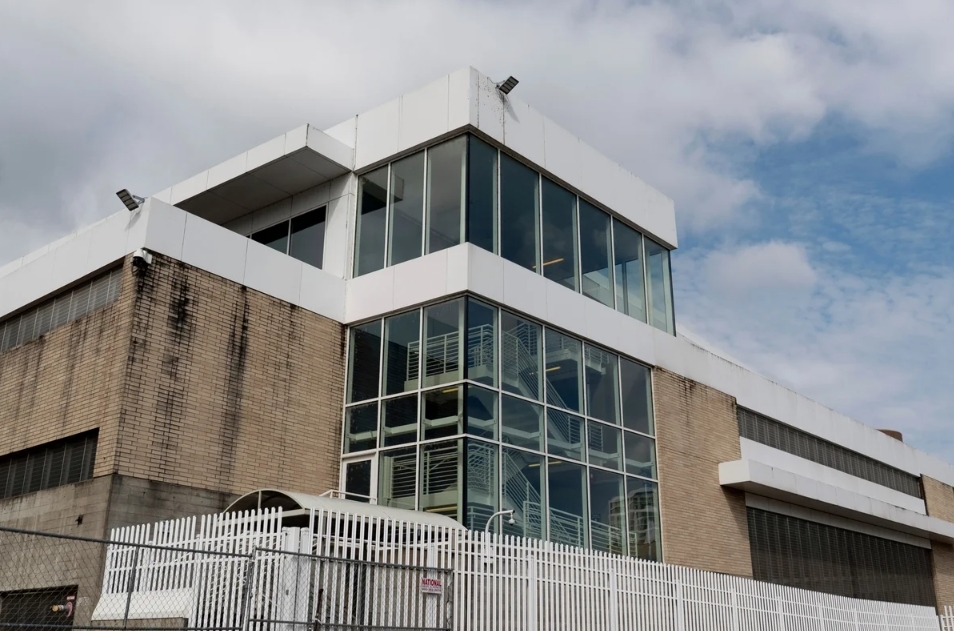

In a striking escalation of the city-versus-federal conflict that has simmered in Portland for years, city officials announced this week that the U.S. Immigration and Customs Enforcement (ICE) facility in Southwest Portland will be hit with a formal land use violation. The charge? Allegedly detaining individuals longer than the city’s zoning laws allow.
According to Portland’s permitting bureau, ICE has violated a 2011 conditional land use agreement at least 25 times between October 2024 and July 2025. The agreement explicitly prohibits detaining individuals for longer than 12 hours or overnight at the facility. Yet the city says ICE records—uncovered through public records requests by the Deportation Data Project—tell a different story.
Mayor Keith Wilson did not mince words. “U.S. Immigration and Customs Enforcement made clear detention limitation commitments to our community, and we believe they broke those policies more than two dozen times,” he said in a statement, celebrating his city’s investigative efforts and the looming citation.
When I say Portland is in open rebellion against the Federal Government this is what I mean.
Federal authorities have to board up the Federal building because the Portland Police wouldn’t protect it. Instead of helping, the City of Portland issued the Feds a zoning violation. pic.twitter.com/gMAWCGPQ6P
— Will Chamberlain (@willchamberlain) October 6, 2025
What begins as a zoning dispute may have deeper implications. The federal facility has long been a political and cultural lightning rod in Portland—a flashpoint for daily immigration advocacy and nightly anti-ICE protests that range from peaceful to confrontational. Protesters, often clad in black and appearing after dark, are a reminder that while the fervor of 2020 may have subsided, the ideological battles over immigration enforcement and local autonomy remain very much alive.
Portland’s notice of violation also includes a second, more symbolic offense: the boarding up of windows. While minor in appearance, such a detail underscores the ICE facility’s transformation into a fortified, semi-permanent outpost under siege—both physically and politically.
This action also highlights the collision of Portland’s sanctuary policies with the realities of federal immigration enforcement. Oregon’s state law and Portland’s city policy bar local law enforcement from engaging in immigration enforcement without a warrant, but they do not prevent ICE from operating within the city. The zoning code, however, gives the city a new lever—one rooted not in immigration politics but in local land use law.
It’s time to seriously consider declaring martial law and arresting the governments of Oregon and Illinois https://t.co/oH3LZL6tBW
— Douglass Mackey (@DougMackeyCase) October 6, 2025
And it’s not happening in a vacuum. The move comes amid a broader national backdrop in which President Donald Trump has repeatedly threatened to deploy federal troops to cities with what he calls “lawless” policies or leadership. Portland, with its history of progressive defiance and grassroots resistance, has long been in Trump’s crosshairs. Just this week, he mentioned the city again while announcing new National Guard deployments to Memphis, referencing Portland’s ICE facility as a potential site of future intervention.

Ironically, this clash emerges even as violent crime is falling in Portland. Homicides, according to a report from the Major Cities Chiefs Association, have dropped by over 50% in the first half of 2025 compared to the same period in 2024. The timing is notable, particularly as Trump and other federal officials continue to paint cities like Portland as out-of-control.
If ICE fails to resolve the land use violations within 30 days, the city could impose fines or even initiate a formal reconsideration of the facility’s zoning approval—a bureaucratic maneuver that could spark a far broader showdown. In that case, a hearings officer would review the matter, and any decision could be appealed all the way up to the city council.