


In any other city, the words "I want to assassinate the President of the United States" might send shockwaves through a courtroom — and result in swift legal consequences. But in Washington, D.C., where politics bleeds into every institution and ideology clouds judgment, not even direct threats against a sitting president are enough to compel a grand jury to act. That’s the disturbing reality made clear this week, as not one but two separate grand juries refused to indict individuals accused of threatening President Donald Trump’s life.
One of the cases involved Nathalie Rose Jones, whose threats weren’t just digital smoke signals from some dark corner of the internet. According to federal prosecutors, she posted explicit intentions to kill Trump and then repeated those threats directly to the U.S. Secret Service during an in-person interview. This wasn’t vague language. This wasn’t satire. Prosecutors say she crossed five state lines and made her intentions known. And yet, a D.C. grand jury still refused to return an indictment.
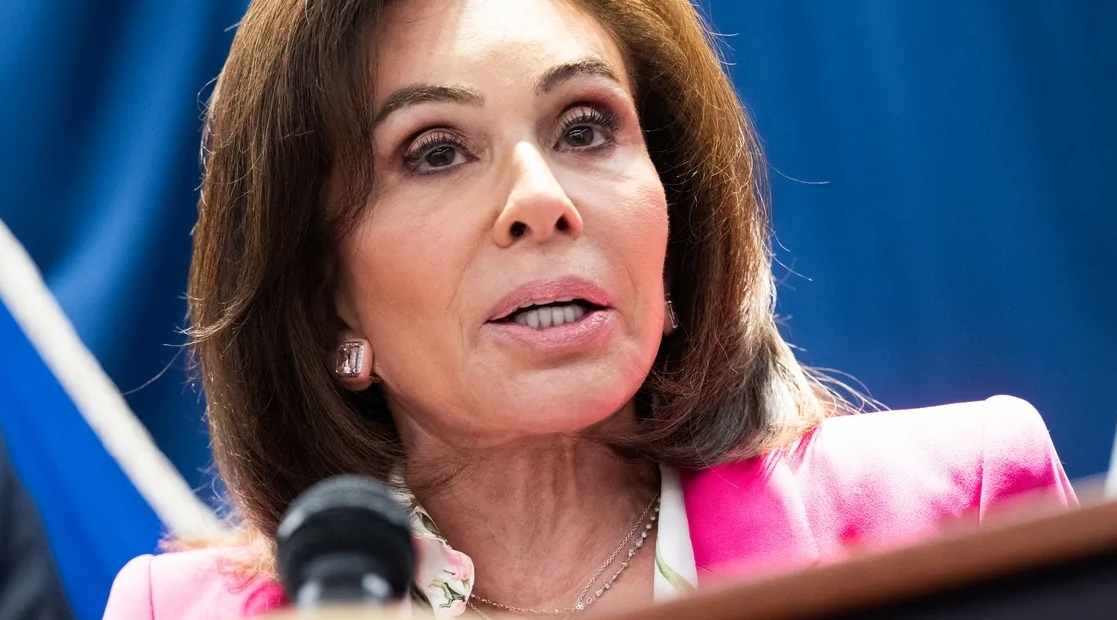
U.S. Attorney Jeanine Pirro, leading the charge for justice, didn’t mince words in her statement to Fox News Digital:
“This is the essence of a politicized jury. The system here is broken on many levels.”
Pirro’s frustration is palpable — and justified. In the second case, involving Edward Alexander Dana, the defendant admitted to threatening to kill Trump while being arrested on unrelated charges. He was allegedly intoxicated, and though that might explain the recklessness of his words, it doesn’t excuse them. In any functioning system, threatening a president — drunk or sober — demands legal scrutiny. Instead, D.C. jurors waved it away.
Worse still, Judge G. Michael Harvey denied a motion to seal the grand jury’s decision, allowing defense attorneys to trumpet the failure to indict as a victory. Dana’s lawyer even suggested that prosecutors were overreaching. But when someone threatens the Commander-in-Chief, it’s not overreach. It’s law enforcement doing its job.
Pirro, who has been increasingly vocal about dysfunction in the D.C. legal system, hit the broader issue on the head. She cited a culture so desensitized to lawlessness that even threats against the president no longer stir action.
“Justice should not depend on politics,” she warned — and yet, in the capital of the free world, it increasingly does.
This isn’t just about Trump. It’s about precedent. If grand juries refuse to act on clear, direct threats to a president — any president — then what does that say about our justice system’s spine? The collapse, as Pirro notes, isn’t loud. It’s quiet. Procedural. A “no true bill” here. A shrug there. And with each refusal to indict, the rule of law erodes — not by storm, but by silence.
