

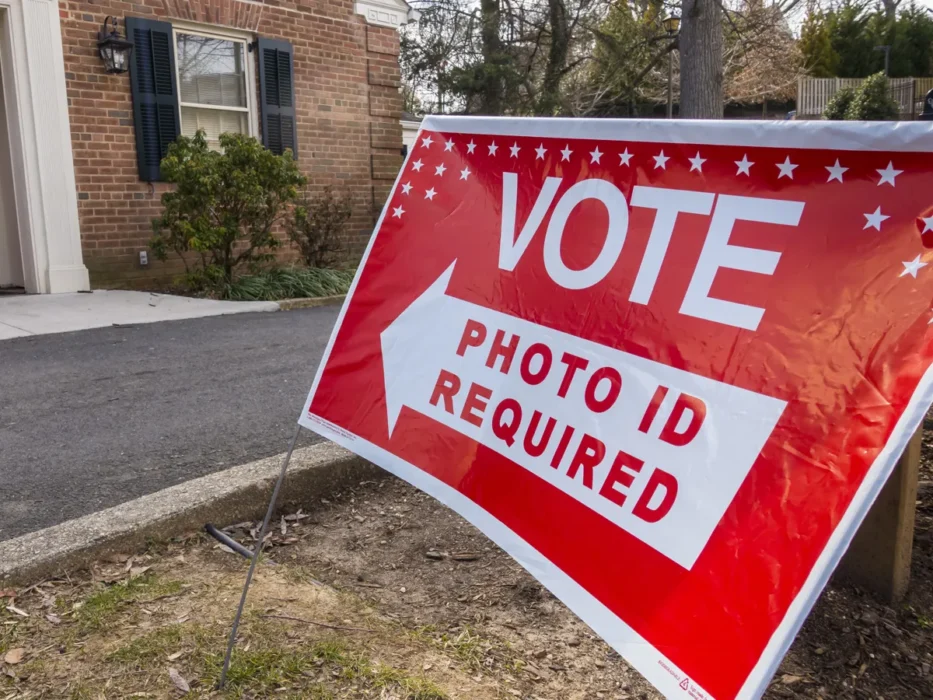

Speaker Mike Johnson used his appearance on Fox News Sunday with Shannon Bream to highlight several priorities for the House, but one proposal stood above the rest: another attempt to move the SAVE America Act across the finish line. According to Johnson, House Republicans intend to package the legislation into a budget reconciliation bill, a strategy that would allow it to clear the Senate with a simple majority rather than the usual 60-vote threshold.
Johnson acknowledged the political realities facing House leadership. Republicans currently hold one of the narrowest majorities in congressional history, leaving virtually no room for internal disagreements. He noted that a small group of Republicans recently blocked a procedural rule that would have advanced legislation, prompting leadership to send members home for the July 4 recess before regrouping.
Despite those setbacks, Johnson described the SAVE America Act as a top priority for both himself and President Donald Trump. He pointed out that the House has already approved the measure three separate times and expressed confidence that using reconciliation could finally put the bill on the president's desk.
The legislation's core provisions would require proof of U.S. citizenship when registering to vote in federal elections and require voters to present identification when casting ballots. Johnson suggested that some additional election reforms favored by Trump may not survive the legislative process. Among those is a broader prohibition on mail-in voting except for limited circumstances such as military deployment, illness, or other situations preventing in-person voting.
Johnson indicated that while those provisions may prove difficult to pass, securing citizenship verification and voter identification requirements would represent a significant victory. During the interview, he argued that those measures would address concerns about election fraud and criticized states such as California for taking weeks to complete vote counting after elections.
Not everyone sees the legislation's prospects the same way. A report published Sunday by The Hill struck a more cautious tone regarding the bill's chances in Congress. The article also highlighted strong Democratic opposition, noting that many Democrats have described the proposal as a return to Jim Crow-era restrictions and warned it could disproportionately affect women, Black voters, and college-age voters.
Supporters of the bill reject those criticisms outright, arguing that requiring identification reflects everyday reality rather than voter suppression. They contend that identification is already necessary for countless routine activities and that verifying citizenship before participation in federal elections is a reasonable safeguard rather than an obstacle.

Even if Congress were to pass the legislation quickly, implementation before this fall's midterm elections would remain uncertain. States would need time to update election procedures, revise registration systems, and establish compliance mechanisms. Opponents also expect legal challenges and administrative delays, particularly in states that have historically resisted federal election mandates.
For that reason, many observers view the 2028 election as a more realistic timeline for full nationwide implementation if the legislation ultimately becomes law.