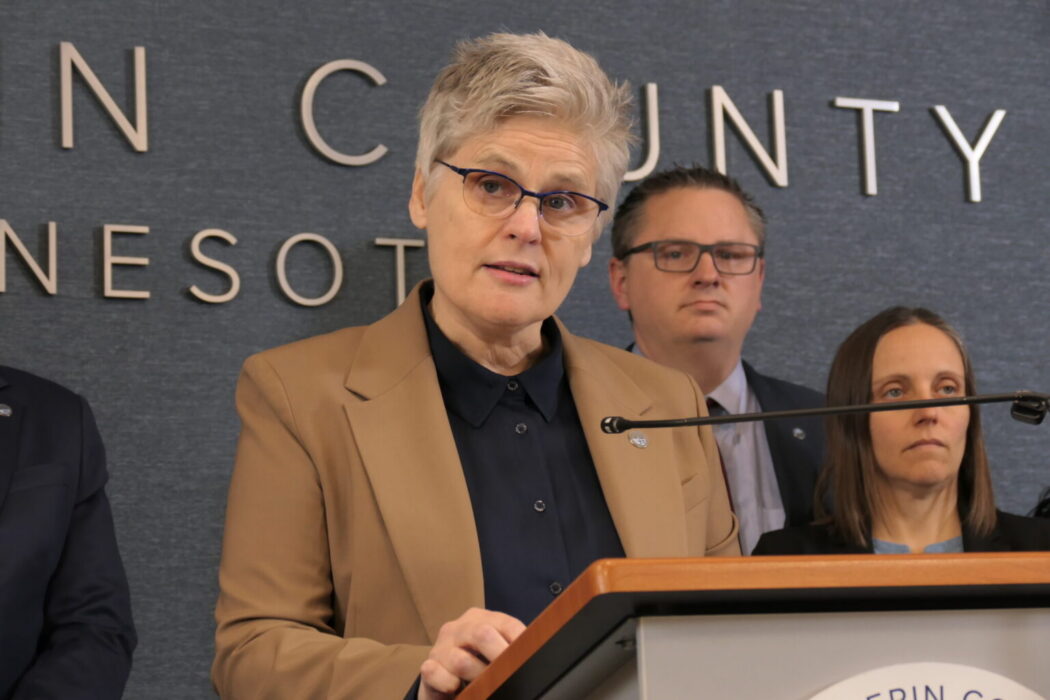

The situation you’re describing isn’t just heated rhetoric—it’s a real legal collision that hinges on facts, jurisdiction, and how courts interpret federal authority.
At the center is the charge against ICE agent Gregory Donnell Morgan Jr. A local prosecutor filing felony assault charges against a federal agent for actions taken while on duty is unusual, but not automatically invalid. State and local prosecutors do have the authority to charge federal agents if they believe a crime was committed, especially in cases involving use of force. The key question is whether the agent’s actions fall within the scope of lawful federal duties or cross into criminal conduct under state law.
🚨 HAPPENING NOW: Mary Moriarity has issued two warrants to arrest two ICE agents for “assault” and is claiming “they can be arrested anywhere in the country.”
She is going to start a civil war with these warrants. Minnesota really wants to go to war with the federal government… pic.twitter.com/P3CFAun9qW
— Kim "Katie" USA (@KimKatieUSA) April 16, 2026
That’s where the Supremacy Clause comes in. Federal law can shield federal officers from state prosecution—but it’s not a blanket immunity. Courts have generally applied a two-part test: whether the agent was performing an authorized federal duty, and whether their actions were necessary and proper to carry that duty out. If a court finds both conditions met, the state charges can be dismissed. If not, the case can proceed.
The incident itself, as described, raises factual disputes that matter a lot. Driving at high speed on a shoulder, a civilian driver reacting by cutting in, and then an agent allegedly pointing a firearm—those details are exactly what investigators and courts will scrutinize. The agent’s claim that they identified themselves as police and believed they were being harassed will be weighed against witness accounts, 911 calls, and any available footage.
The rhetoric from political figures and commentators—on all sides—doesn’t change that legal framework, but it does raise the stakes publicly. Comparing ICE to extreme historical entities or calling for aggressive retaliation escalates perception, but the actual outcome will depend on motions filed in court, likely including a federal move to dismiss based on Supremacy Clause immunity.
Anti-ICE thugs violently attacked journalist Savanah Hernandez outside the Whipple ICE Facility on Saturday.
This video angle shows multiple assaults against Hernandez.
(00:33) Woman attacks Hernandez
(00:36) Woman attacks Hernandez again
(00:52) Man blindsides Hernandez… https://t.co/8n6rLYlym0 pic.twitter.com/uUdNnVcikL— Paul A. Szypula 🇺🇸 (@Bubblebathgirl) April 12, 2026
If the Department of Justice steps in, it could seek to remove the case to federal court and argue for dismissal. That’s a standard mechanism in cases like this. From there, a judge—not a governor, not a district attorney, not a TV panel—decides whether the prosecution can continue.
So while the language around this is intense, the path forward is procedural: filings, hearings, and a legal determination about whether the agent’s conduct was protected or prosecutable.