


Multiple mainstream media outlets quickly amplified claims from Iranian officials that Shajarah Tayyebeh, a girls’ elementary school in southern Iran, had been struck Saturday after the launch of Operation Epic Fury. Iranian authorities alleged the building was “bombed in broad daylight” while filled with students, framing it as a deliberate attack by the United States and Israel.
The claims were dramatic. The evidence, at least publicly available, was not.
As RedState’s Brad Slager observed, early reporting in several U.S.-based outlets appeared to relay the accusations with limited skepticism, despite the fact that the assertions originated from the Iranian regime — a government directly engaged in an active military conflict and deeply invested in shaping international perception.
Both the U.S. and genocidal Israel doesn't care about the laws. This is who they are. https://t.co/AQbNEi4Ojj
— Rashida Tlaib (@RashidaTlaib) February 28, 2026
Slager also pointed to video circulating from other strikes carried out during Operation Epic Fury. Those clips appeared to show highly precise targeting — radar installations struck cleanly, drones navigating tightly between buildings to hit specific objectives. Within that context, the reported destruction of a packed elementary school did not neatly align with the operational pattern being publicly documented.
U.S. Central Command responded cautiously, stating it was “looking into” the reports. CENTCOM added that “the protection of civilians is of utmost importance, and we will continue to take all precautions available to minimize the risk of unintended harm.” Beyond that, officials have not confirmed responsibility.
Terrorism apologist/Congresswoman uncritically parrots regime propaganda (as she often has for Hamas), while referring to the United States as “they.” https://t.co/9YsHV3yYDN
— Guy Benson (@guypbenson) February 28, 2026
As of now, critical details remain unresolved. It is unclear who struck the school, under what circumstances, or whether the building was being used for any secondary purpose. Iranian health officials have increased the unverified death toll to 175, according to The New York Times, but independent confirmation remains limited.
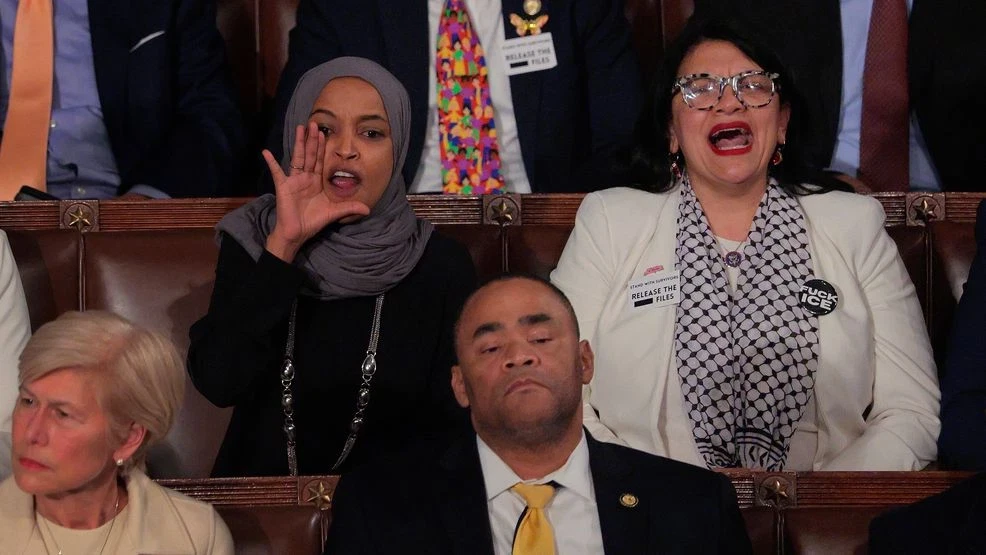
Despite those uncertainties, Rep. Rashida Tlaib (D-Mich.) quickly weighed in, sharing a post from Lebanese diplomat and self-described U.N. human rights advocate Mohamad Safa asserting that the strike constituted a violation of Article 52 of Additional Protocol I of the Geneva Conventions. The post attributed the attack directly to the United States and Israel.

A US congresswoman using her platform to repost propaganda from the enemy our country is at this moment fighting while referring to the country she purports to represent in 3rd person and tossing in a casual anti-Jew libel just for fun is a disturbing snapshot of the Far Left https://t.co/CzdnadBUWe
— Jonah Platt (@JonahPlatt) February 28, 2026
Critics noted that Tlaib’s framing treated the allegation as settled fact rather than an unverified claim emerging from a combatant government. Some also focused on her use of the word “they” when referencing U.S. actions, arguing that the phrasing raised questions about alignment and rhetoric.
When a member of Congress is using “they” instead of “we” to refer to the United States, that is pretty telling.
If you do not see yourself as part of America, how can you serve America? https://t.co/Nl3gYVoTdB
— Jesse Arm (@Jesse_Leg) February 28, 2026
The broader issue, however, extends beyond one lawmaker. In modern conflicts, information warfare moves almost as quickly as missiles. Governments release narratives within minutes. Media outlets compete to publish. Social platforms amplify emotionally charged claims long before investigations can catch up.
The result is a public left to sort through competing versions of reality.