

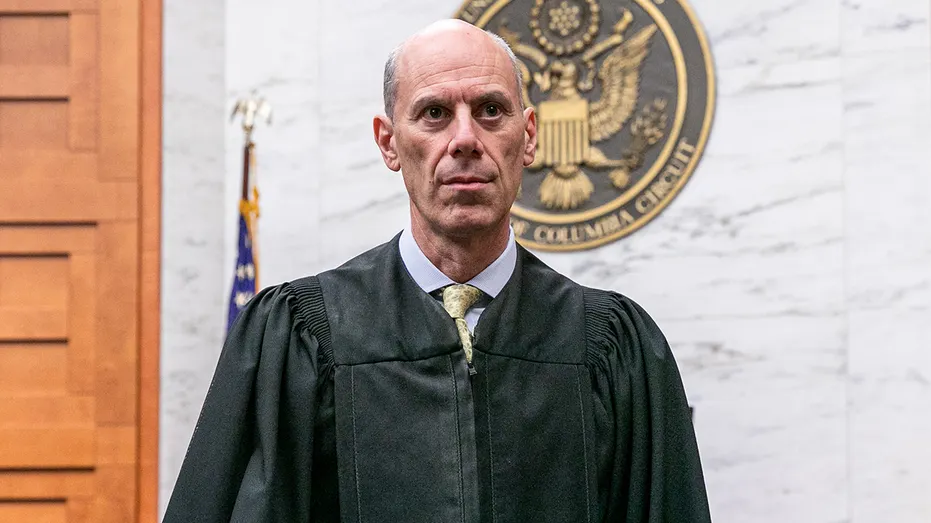

Chief U.S. District Judge James Boasberg has issued a temporary procedural order that alters how grand jury outcomes are handled in Washington, D.C., introducing a requirement that marks a notable shift in judicial oversight of the indictment process.
Under longstanding practice, grand juries operate with a high degree of independence. Their deliberations occur in secret, and when they decline to issue an indictment, the matter typically ends without formal acknowledgment beyond the prosecutorial sphere. Judges maintain general supervisory authority but rarely require explicit reporting when no charges are brought.
Boasberg’s directive changes that framework. The order mandates that whenever a grand jury does not concur in an indictment, the foreperson must promptly submit a written notification to a duty magistrate judge. This report is to be filed under seal, ensuring it remains non-public while still creating an official court record.
“This Court finds that notification should be provided to the duty magistrate judge whenever a grand jury fails to concur in an indictment,” Boasberg wrote, emphasizing that the requirement applies regardless of whether charges had already been filed.
The practical effect is a new layer of visibility within the judiciary. While the secrecy of grand jury proceedings remains intact from a public standpoint, the court is now formally informed of decisions that previously may not have generated a documented record. Even under seal, this introduces a structural change by ensuring that non-indictments are tracked within the court system.
The order is explicitly temporary, set to remain in effect for 120 days. During that period, the court will evaluate whether to formalize the requirement into a standing local rule. Despite its provisional status, the move has drawn attention due to both its rarity and its timing.
The directive follows a high-profile instance in which federal prosecutors sought indictments against six Democratic members of Congress over statements related to military conduct. Grand juries declined to return charges in those cases. Shortly thereafter, the court implemented this new reporting requirement, a sequence that is likely to invite scrutiny and interpretation.

Boasberg has stated the order falls within the court’s authority to manage its own procedures. That authority is well established. However, the introduction of mandatory reporting for declined indictments is not routine and represents a departure from traditional practice.
Grand juries retain full control over charging decisions. What has changed is the endpoint. When no indictment is issued, the outcome no longer remains solely within the confines of the jury room and prosecutorial discretion. Instead, it is now formally recorded within the court, adding a new dimension to how such decisions are documented and reviewed.