

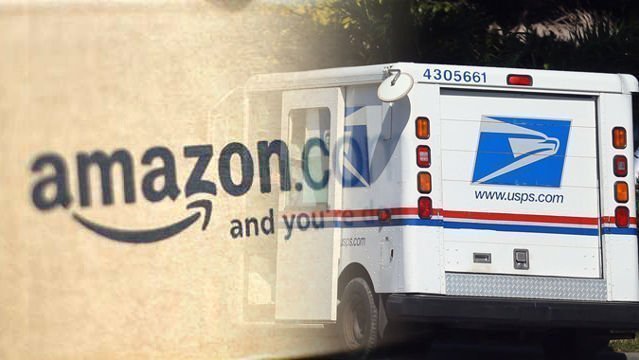

In a move that could upend the U.S. parcel delivery landscape, Amazon is reportedly preparing to end its long-running delivery partnership with the U.S. Postal Service (USPS), according to a Washington Post report citing three individuals familiar with the matter. If the split materializes, it would represent not just a strategic pivot for the e-commerce titan but a seismic shift for an already embattled USPS.
Amazon, the largest customer of USPS by far, delivered over $6 billion in annual revenue to the agency in 2025. That figure is not just substantial — it’s vital.
For an institution grappling with an 80% plunge in first-class mail volume since 1997 and a $9.5 billion loss last year, losing Amazon would mean more than just a financial hit. It would strike at the core of the agency’s relevance in a digital-first, logistics-dominated age.
At the heart of Amazon’s strategy is a decades-in-the-making transformation. With its sophisticated warehouse network and a delivery infrastructure that is increasingly autonomous, Amazon Logistics has already handled 6.3 billion parcels last year, just shy of the 6.9 billion managed by USPS. On its current trajectory, Amazon is set to surpass the Postal Service by 2028 — potentially earlier if the planned exit proceeds.
The company's investment trajectory only adds to the momentum. In April, Amazon pledged more than $4 billion to expand its rural delivery network — a clear signal of its intention to reach every doorstep in America without relying on legacy logistics players.
“Amazon has been building its distribution capabilities for several years,” said analyst Gil Luria, “and now has minimal reliance on other logistics companies.” He added that Amazon may soon be “almost entirely self-reliant.”
But not all is smooth on the road to independence. The move comes after stalled negotiations over “negotiated service agreements” — preferential contracts historically skewed toward corporate giants.

New USPS chief David Steiner has vowed to democratize access, proposing a reverse auction model for logistics services that would undercut Amazon’s exclusive access. The result? A breakdown in talks that had been quietly unfolding since February, and a growing rift that now appears difficult to repair.
Despite the uncertain finality of the plans, the stakes are clear. Amazon holds the leverage, the infrastructure, and the vision. USPS, meanwhile, finds itself caught in a decades-long struggle to remain solvent and relevant in a world where the physical letter is dying and the private sector is rewriting the rules of delivery.