

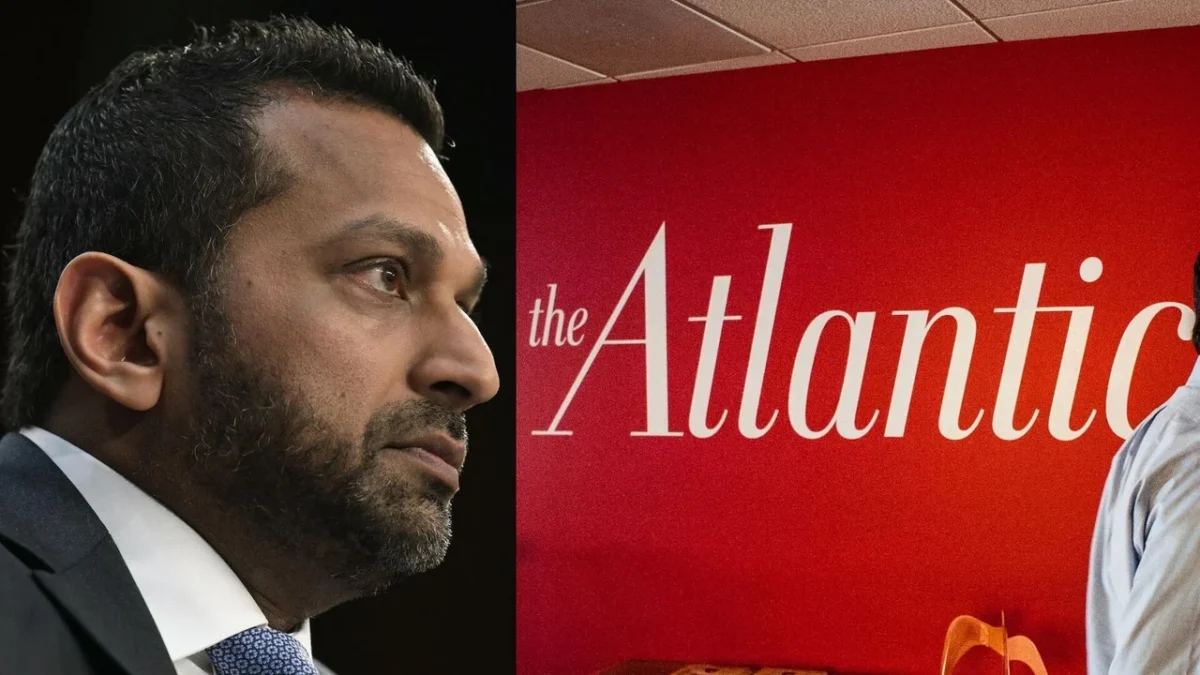

The legal clash between FBI Director Kash Patel and The Atlantic has moved from threat to action, with a lawsuit now officially filed following a disputed article published on April 17. The piece, written by reporter Sarah Fitzpatrick, alleged that Patel had a pattern of intoxication while on duty and that his leadership had damaged morale داخل the Bureau. Within days, those claims triggered a direct response—not just denials, but litigation.
According to the report, Fitzpatrick and co-bylined contributor Jonathan Lemire based their story on interviews with more than two dozen individuals. The sourcing, however, was entirely anonymous. The article referenced White House officials, FBI personnel, former agency figures, and others described broadly as political operatives, lobbyists, and service industry workers. None were identified by name or position in a way that would allow readers to assess their proximity to Patel or their credibility on internal FBI operations.
Good luck with that D.C. jury… https://t.co/zDxFgKQYQo
— Joyce Alene (@JoyceWhiteVance) April 20, 2026
That lack of specificity became a central point of contention. Patel’s legal team moved quickly, issuing a warning to The Atlantic prior to publication. The letter reportedly outlined multiple statements they considered defamatory and threatened legal action if the piece ran as written. Despite that, the article was published—though there are indications that edits were made after the warning was received.
The timeline has drawn scrutiny. Representatives for Patel, including individuals from the FBI’s public affairs office and his legal counsel, stated they were given a narrow window—roughly two hours—to respond to a set of allegations built from weeks of reporting. Within the published piece, Fitzpatrick did include a response from White House Press Secretary Karoline Leavitt, who rejected the claims and defended Patel’s performance. Additional denials came from several figures connected to Patel’s work, all disputing the portrayal laid out in the article.
Obama US attorney admits the DC courts are highly partisan. https://t.co/xMWFnnfejq
— Richard Grenell (@RichardGrenell) April 20, 2026
Fitzpatrick later appeared in a televised interview where she defended the reporting and stood by the sourcing. She emphasized the volume of interviews conducted and the editorial process behind the story. At the same time, critics have pointed to inconsistencies between her public remarks and the inclusion of official denials داخل the article itself.
The amusement is@S_Fitzpatrick postures like she did not receive pushback on her Patel hit-piece from the WhiteHouse: she printed Karoline Leavitt’s remarks.
Sarah was also given 100% denials from Patel, and his lawyer, despite just given a couple of hours to comment.
1/2— Lie-Able Sources (@LieAbleSources) April 20, 2026
The dispute has also revived scrutiny of The Atlantic’s editorial track record. Past controversies involving high-profile political reporting have been cited by Patel’s defenders as context for questioning the outlet’s standards. One frequently mentioned case is the magazine’s prior defamation settlement involving a former writer, which resulted in a $1 million payout. That history is now being folded into arguments about whether the current reporting meets the threshold for responsible journalism.