

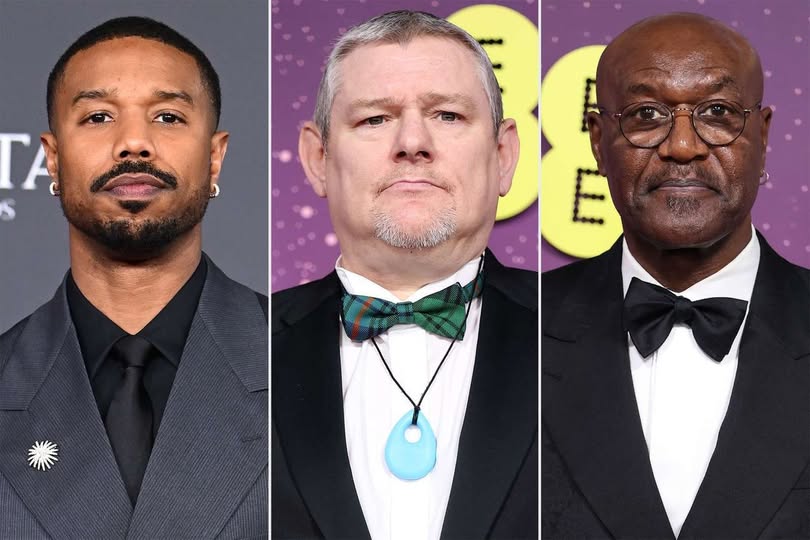

The 2026 BAFTA Film Awards were meant to be a celebration of cinematic excellence. Instead, a deeply complicated and emotional moment has dominated headlines in the aftermath of the ceremony. Tourette’s activist John Davidson, whose life story inspired the award-winning film “I Swear,” found himself at the center of controversy after involuntarily shouting an offensive racial slur during Sunday night’s broadcast.
Davidson, who has lived with Tourette syndrome since he began experiencing tics at age 12, made several audible outbursts during the first half of the ceremony. Among them were shouted profanities during BAFTA chair Sara Putt’s opening remarks and, most notably, the N-word as Michael B. Jordan and Delroy Lindo presented the award for Best Visual Effects to “Avatar: Fire and Ash.” The moment, broadcast uncensored despite a two-hour delay on BBC One, immediately ignited backlash both in the auditorium and across social media.
Prior to the ceremony, a floor manager had introduced Davidson to the audience and warned attendees they might hear “involuntary noises or movements.” Host Alan Cumming also addressed the issue twice during the broadcast — first thanking the audience, which included the Prince and Princess of Wales, for their understanding, and later offering an apology “if you are offended tonight.”
In a statement released after the ceremony, Davidson expressed gratitude to BAFTA and the BBC for their support and for alerting the audience in advance about his condition. He described feeling “welcomed and understood” following applause after the announcement, noting that such an environment would normally feel impossible for him to navigate. At the same time, he emphasized his longstanding mortification at the possibility that involuntary tics could be interpreted as intentional or reflective of personal beliefs.
Davidson ultimately chose to leave the ceremony early, citing the distress his tics were causing. The BBC later acknowledged that the offensive language had not been edited from the delayed broadcast and confirmed it would be removed from the iPlayer version. The uncensored moment had also aired in the United States on E!.
The controversy deepened when “Sinners” production designer Hannah Beachler, who was nominated for a BAFTA, posted on X that the slur had been directed toward her on one occasion after the ceremony. While stating that the situation should be handled with grace, she criticized what she described as a “throw away apology” at the end of the show.
Tourettes Action, the charity Davidson works with, issued a forceful statement defending him and urging greater public understanding of Tourette syndrome. CEO Emma McNally underscored a key point: tics are involuntary and do not reflect beliefs, intentions, or character. She described the backlash as “extremely saddening,” particularly in light of Davidson’s years of advocacy and the awareness raised by “I Swear.”

The film itself, which won multiple awards including Best Leading Actor for Robert Aramayo’s portrayal of Davidson, aims to illuminate the realities of living with Tourette syndrome — the social isolation, misunderstanding, and emotional toll. According to McNally, the events at BAFTA starkly mirrored the very themes the film explores.
What unfolded on the BAFTA stage was not scripted, not edited in time, and not easily absorbed by a global audience. It was a collision between neurological reality and public spectacle — one that has reignited debate over disability awareness, accountability, and the limits of live broadcast sensitivity.