

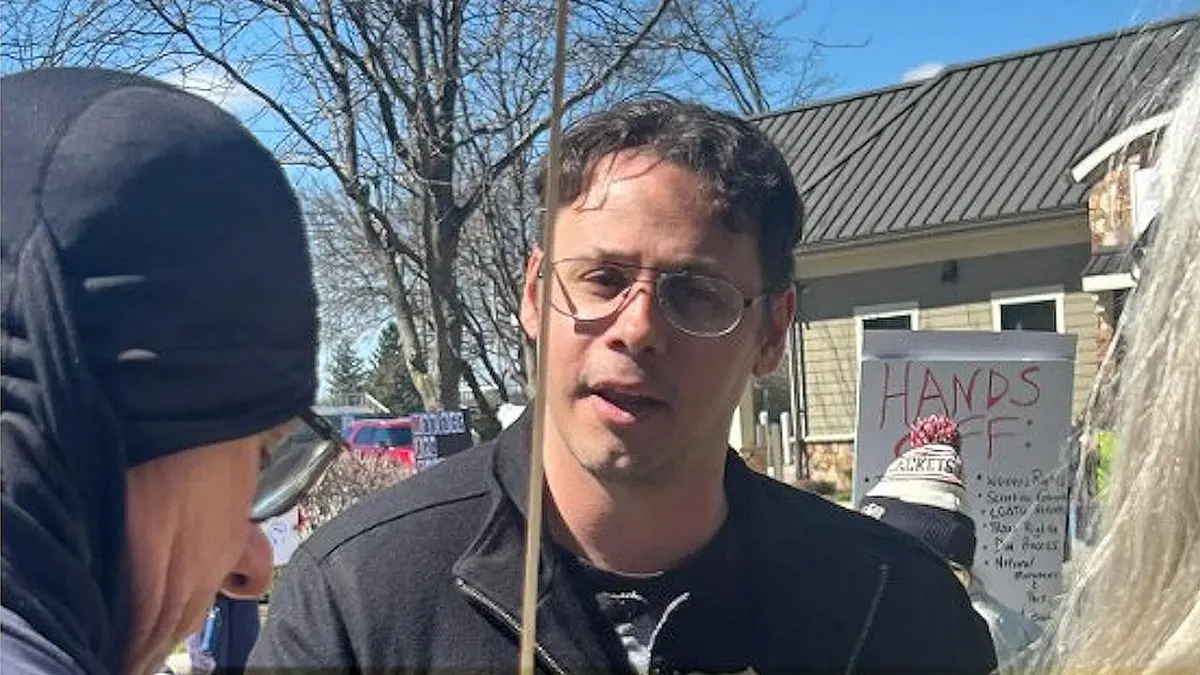

A self-described progressive activist’s attempt to run in Ohio’s Republican primary hit a firm wall Thursday when the Supreme Court declined to intervene, leaving intact earlier rulings that removed him from the ballot. The decision effectively ends Samuel Ronan’s bid to challenge Republican Rep. Mike Carey in the state’s 15th Congressional District—at least through this route.
Ronan, who has previously run as a Democrat, signed official paperwork declaring himself a Republican candidate, a requirement for entering the GOP primary. That declaration carries legal weight, made under penalty of election falsification. But the foundation of his candidacy began to unravel when his own public statements surfaced.
According to court filings, Ronan openly described his run as part of a broader tactic: placing Democratic-aligned candidates into heavily Republican districts under the GOP label to gain electoral access. Those statements became central evidence in a challenge brought by a local Republican voter, who argued that Ronan was attempting to mislead the electorate.
The dispute first landed before the Franklin County Board of Elections, which split along party lines. That deadlock handed authority to Ohio Secretary of State Frank LaRose, who moved to disqualify Ronan. LaRose framed the decision as a matter of maintaining trust in the election system, pointing directly to what he characterized as an effort to infiltrate a party primary under false pretenses.
Ronan pushed back in federal court, arguing that the state had violated his First Amendment rights by using his political speech—his own words about strategy—against him. His case hinged on the idea that political expression, even if controversial, should not disqualify a candidate from the ballot.
Chief U.S. District Judge Sarah D. Morrison rejected that argument in direct terms. In her ruling, she drew a clear line between protected speech and sworn declarations made in an official election process. The Constitution, she wrote, does not require states to accept a candidate’s ballot access if that candidate falsely claims party affiliation.
Morrison also addressed the broader mechanics of party affiliation in Ohio, noting that while individuals are free to change parties, election officials are not obligated to ignore statements that contradict a candidate’s formal oath. The state, she concluded, has a substantial interest in preventing candidates from misrepresenting themselves to voters.

After losing at the district level, Ronan made an emergency appeal to the Supreme Court in an effort to be reinstated before early voting began. Justice Brett Kavanaugh referred the matter to the full court, which denied the request without comment.