

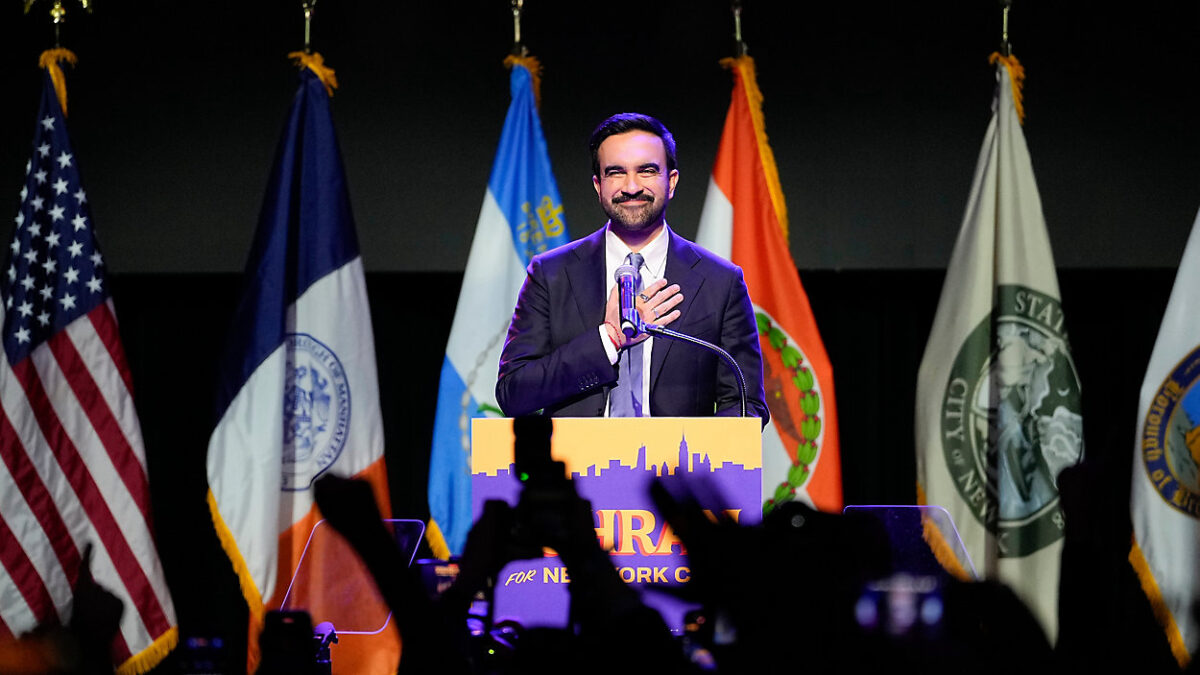

It took Zohran Mamdani less than 24 hours after securing his historic victory to do what modern political movements do best: ask for more money.
Fresh off his win over independent candidate Andrew Cuomo and Republican Curtis Sliwa, New York City’s newly crowned mayor-elect — and self-proclaimed socialist — launched a fresh fundraising appeal. Not to retire campaign debt, not to thank supporters, but to fund the very engine of his transition into office.
“Remember how I told you a few months ago to stop sending us money? You can start again,” Mamdani quipped. The line, undoubtedly tested and tailored for the social-media era, sounds casual — but it signals something much deeper: the machinery of the movement is never idle. The revolution, it seems, needs constant refueling.
This is no ordinary political transition. Mamdani is already working to cast the process not as bureaucratic housekeeping, but as an extension of his movement’s ideological mission. Every hire, every press release, every headline from here to Inauguration Day is being framed as part of a long march toward a radically restructured city — one driven by “organizers,” “working people,” and “policy experts from around the world,” all united by a shared desire to shake the system to its core.
In language that closely echoes Bernie Sanders’ 2019 fundraising appeals, Mamdani made clear: his campaign didn’t end on Election Night — it simply entered its next phase. “This transition requires staff, research, and an infrastructure that can meet this moment,” he told supporters, invoking the language of movement politics rather than municipal governance.
The policies Mamdani campaigned on read like a progressive wish list: a rent freeze for stabilized tenants, “fast and free” buses, universal taxpayer-funded childcare, city-run grocery stores, and new taxes aimed squarely at corporations and high earners. It’s a platform that challenges not just New York’s political consensus, but its economic architecture.
Mamdani isn’t hiding the fact that these promises will cost money — lots of it. But before he opens the city’s coffers, he’s going back to his supporters for cash. Not from billionaires or corporate donors, of course. From “the people.”

And if Sanders’ template holds true, it won’t matter whether the average donation is $3 or $30 — what matters is volume, symbolism, and sustaining the appearance of grassroots momentum.
This transition may be about building a new City Hall, but it’s also a message to the political class: Mamdani intends to govern the way he campaigned — relentlessly, unapologetically, and with one hand outstretched… not just for votes, but for dollars.