

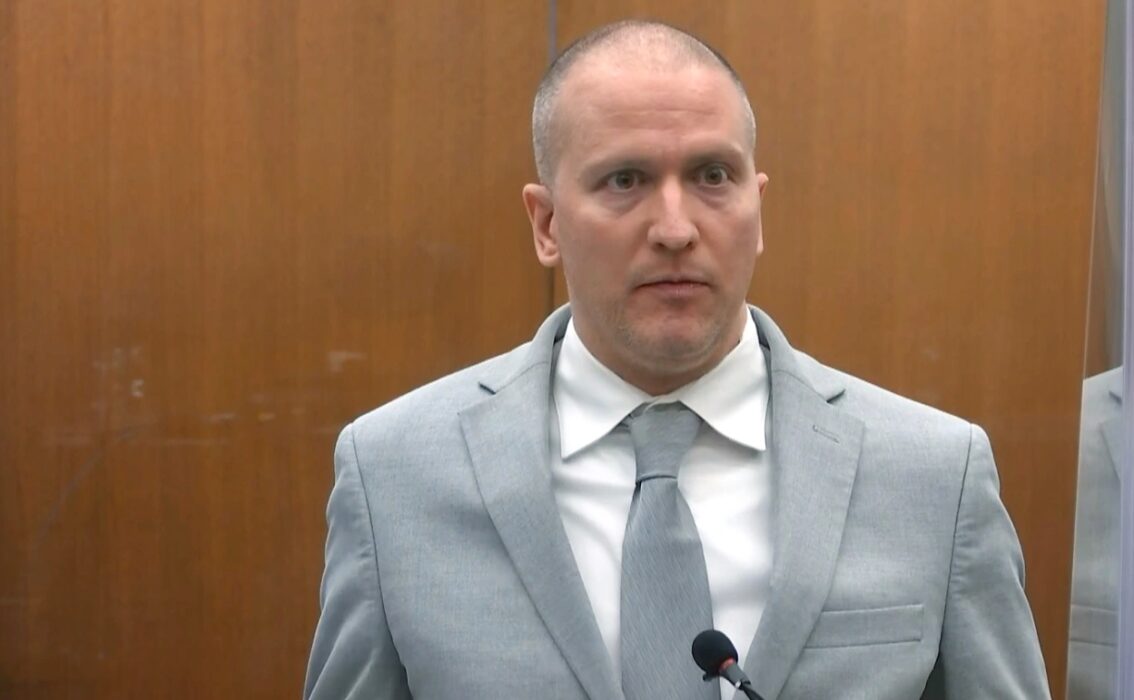

Former Minneapolis police officer Derek Chauvin, whose name became synonymous with a cultural turning point in America, is once again back in court headlines. This time, he’s asking for something that once seemed almost unthinkable: a new trial for the 2020 murder of George Floyd, a case that sparked nationwide protests, ignited global calls for justice, and redefined how the public views policing in America.
Chauvin's appeal, filed last month in Hennepin County District Court, challenges the foundation of his conviction on multiple fronts — from alleged flaws in medical testimony, to questions about proper police procedure, to the jury instructions given at his 2021 trial. It's a sweeping filing, one that attempts to reframe not just the facts of the case, but the context in which it was tried.
At the heart of his new motion is the medical evidence. Chauvin’s legal team claims that the four physicians who reviewed George Floyd’s autopsy leaned too heavily on video footage—particularly the now-infamous recording that showed Chauvin kneeling on Floyd’s neck for more than nine minutes while Floyd gasped, “I can’t breathe.” According to the filing, this emphasis led to “many errors” by “improperly qualified experts,” depriving Chauvin of due process.
In support of his claims, Chauvin says he has secured expert testimony from the Forensic Panel, whose physicians reportedly believe the medical testimony at trial used methodology not widely accepted in the scientific community.
But the filing doesn’t stop there.
Chauvin is also taking aim at police training testimony—another key aspect of his conviction. Three supervisors with the Minneapolis Police Department testified that Chauvin’s neck restraint technique was inconsistent with department policy. Yet the new filing includes sworn statements from 34 current and former officers, arguing that placing a knee on a suspect’s neck was, in fact, part of the department’s training and accepted practice in certain circumstances.
If these claims are true, they could strike at the heart of the prosecution’s narrative: that Chauvin acted with callous disregard, outside the bounds of professional policing.

Still, the road ahead is steep.
Chauvin’s previous appeal in 2023 was denied, and courts are traditionally reluctant to grant new trials in high-profile criminal cases unless clear violations of due process or procedural integrity are established. Complicating matters further, Chauvin is already serving dual sentences: a 21-year federal sentence for violating George Floyd’s civil rights, and a 22½-year state sentence for second-degree murder. Even if one conviction were overturned, the other would likely keep him incarcerated.
Yet the appeal raises important legal questions—about expert testimony, evolving police standards, and whether courtroom narratives sometimes outpace the facts.

It remains to be seen whether the court will grant a new trial. But one thing is certain: nearly five years later, the death of George Floyd—and the case that followed—continues to shape the conversation around justice in America.