

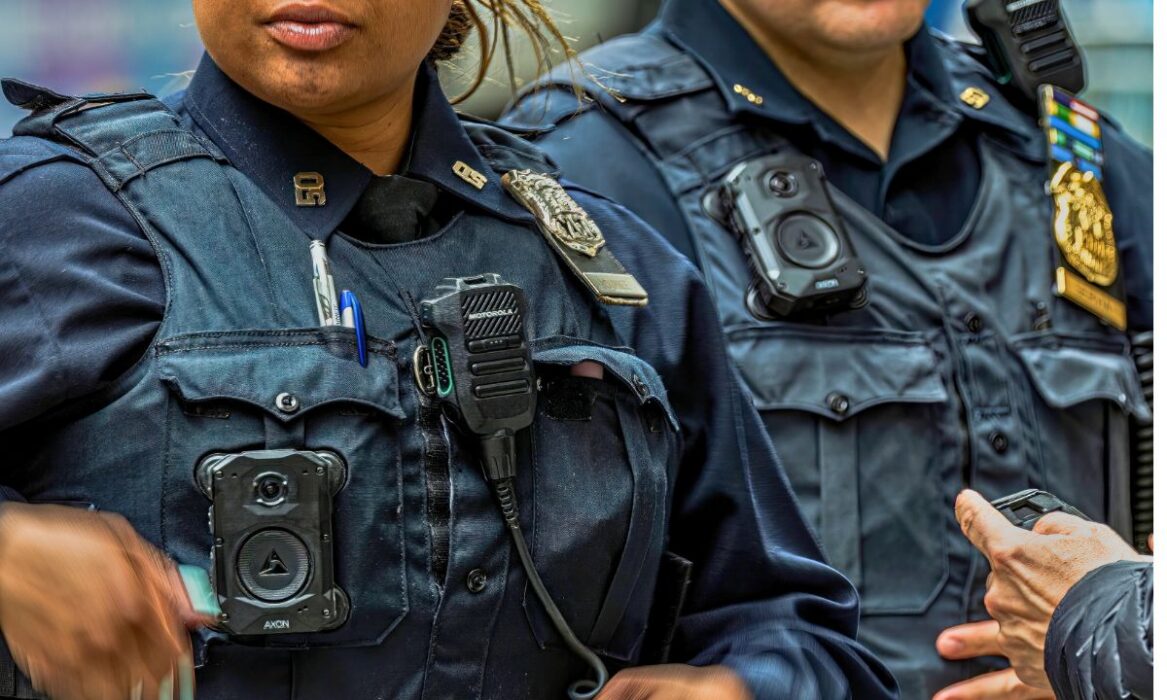

Remember how this whole debate only really heated up about a week ago, when Democrats were in full meltdown mode over the Department of Homeland Security portion of the funding bill. Among the laundry list of demands, complaints, and performative outrage, there was one idea that actually sounded reasonable on its face: putting body cameras on ICE agents. Compared to the rest of the rhetoric, it stood out as a proposal rooted in accountability rather than theatrics. And notably, DHS agreed to it almost immediately.
.@SenSchumer calls for body cameras on federal agents 'shrined into law.' https://t.co/7PDQBXOYE5 pic.twitter.com/hxY5B8gPoP
— Washington Examiner (@dcexaminer) February 3, 2026
That should have been the end of the story. Senate Majority Leader Chuck Schumer took to the airwaves to emphasize just how critical body cameras were, using them as a rhetorical weapon while attacking Homeland Security Secretary Kristi Noem. Transparency, accountability, trust — all the familiar talking points were rolled out. The implication was clear: cameras would expose wrongdoing, validate activist claims, and force ICE into a defensive posture.
Then DHS called their bluff.
Once it became clear that body cameras would actually be deployed, and deployed quickly, the narrative shifted almost overnight. Suddenly, according to reporting from Politico, Democrats discovered a serious concern they hadn’t mentioned before: too much transparency. The same cameras they demanded were now being framed as tools of “mass surveillance,” particularly of protesters. Privacy advocates raised alarms, and Democratic lawmakers followed suit, insisting on restrictions on how the footage could be used.
The irony is difficult to miss. Congressional Democrats had made universal body camera use a prime demand for ICE accountability, especially after two fatal shootings in Minneapolis. But once critics warned that those cameras could capture protests and potentially feed into license plate readers or facial recognition systems, enthusiasm evaporated. The fear wasn’t abstract. Lawmakers openly worried that footage might be used to identify and track protesters.
Translated into plain language, the concern is not that the cameras will lie, but that they will tell the truth. Body cameras don’t curate narratives; they record events as they happen. And that’s a problem if the footage undermines the carefully maintained image of “mostly peaceful protesters.” Video has a way of revealing harassment, assaults, and escalation that press releases conveniently omit.
NEW: Congress has until the end of Friday to reach a deal on DHS funding, and Republicans are calling some Dem demands non-starters. Now, some Dems are worried that ICE bodycams would be used to surveil anti-ICE protesters, and they want restrictions on how the cams can be used. pic.twitter.com/KnF4TnDd20
— Bill Melugin (@BillMelugin_) February 9, 2026
The Renee Good case is a perfect example. Because ICE agent footage exists, the public can see exactly what the agent faced from his own perspective. Even with that evidence, there are still efforts to spin the story. Without it, the opportunity to reshape the narrative would have been far greater.

This is the core contradiction Democrats now face. Cameras will capture misconduct wherever it occurs. That includes agents acting improperly, but it also includes protesters crossing the line. If someone is truly just protesting peacefully, the footage will show that. If not, it will show that too. Demanding cameras only to recoil when they threaten to expose uncomfortable facts isn’t a principled stand on privacy. It’s an attempt to control how transparency is allowed to function.