

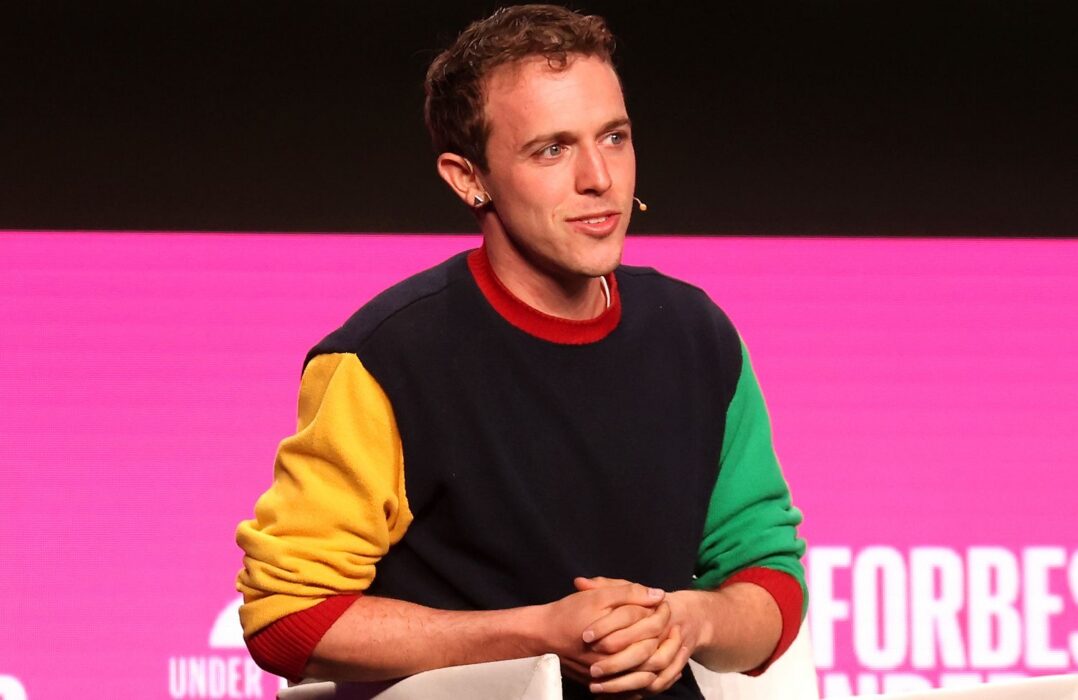

The CEO of fintech company Bolt just said the quiet part out loud — and corporate America’s HR class probably isn’t going to enjoy hearing it.
Ryan Breslow, the 31-year-old founder and returning CEO of Bolt Financial, revealed this week that he eliminated the company’s entire HR department during a sweeping round of layoffs that cut roughly 30% of Bolt’s workforce earlier this year. His explanation was blunt, unapologetic, and guaranteed to send shockwaves through Silicon Valley.
“We had an HR team, and that HR team was creating problems that didn’t exist,” Breslow said Tuesday at Fortune’s Workforce Innovation Summit. “Those problems disappeared when I let them go.”
That sentence alone probably caused half of LinkedIn to break into a cold sweat.
Breslow framed the layoffs as part of a broader effort to drag Bolt back into what he called “startup mode” after years of decline, dysfunction, and ballooning bureaucracy. According to him, the company had developed a culture where too many employees were “complaining a lot” instead of producing results.
“We need a group of people who are very oriented around getting things done,” he said. “There is just a culture of not getting things done.”
Then came the line that really captured where corporate America may be heading next.

Breslow said Bolt is now operating as a “much leaner organization” while “leveraging AI at our core.” Translation: artificial intelligence is replacing layers of administrative staff, and executives are becoming increasingly comfortable admitting it publicly.
The timing is impossible to ignore. Across the tech sector, companies that spent years hiring massive compliance, culture, and HR teams are now slashing headcount as investors demand profitability again. The easy-money era is over. Companies are no longer rewarded simply for growth and headcount expansion. They are being forced to prove they can actually function efficiently.
And Bolt desperately needed a turnaround.

The company’s valuation collapsed from an astonishing $11 billion in 2022 to just $300 million in 2025 — a breathtaking fall for a fintech darling once treated as Silicon Valley royalty. Shortly after Breslow initially stepped away from the company in 2022, Bolt was hit with a major lawsuit from Authentic Brands Group, which alleged Bolt’s failed integration with Forever 21 contributed to roughly $150 million in losses. The dispute was eventually settled.
Now Breslow has returned with what appears to be a very different philosophy: fewer employees, younger workers, longer hours, and AI replacing entire functions that once required departments full of people.
“We have a team a quarter of the size, who are much more junior, who work a lot harder, who have better energy,” Breslow said. “Our customers are telling us, ‘We haven’t had this type of attention in four years.’”
Whether that approach saves Bolt remains to be seen. But one thing is already clear: the old Silicon Valley model of endless hiring, sprawling HR bureaucracies, and cushy internal culture management is being openly challenged by executives who now believe leaner companies survive while bloated ones collapse.
And Breslow clearly no longer cares who gets offended by saying it publicly.