

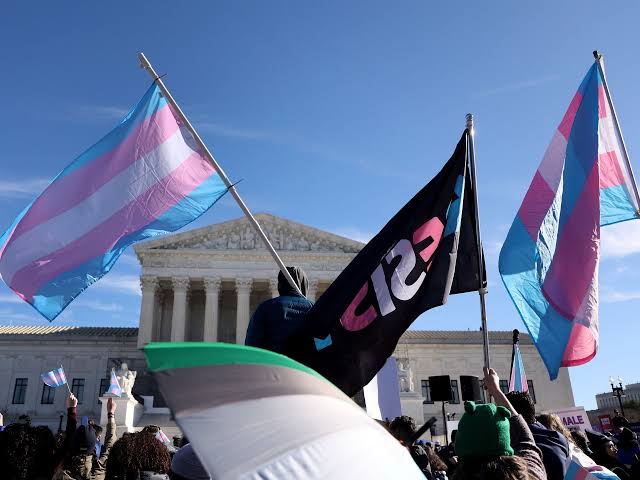

The Supreme Court denied the Trump administration's request Wednesday to block a lower court order. Previously prescribed transgender procedures for inmates can no longer be denied by the Bureau of Prisons due to this ruling. The rest of the court disagreed, although Justices Clarence Thomas and Samuel Alito would have granted the stay.
About 1,000 transgender inmates are currently in federal custody according to NBC News. The administration wanted to enforce a new policy that would end surgeries and hormone treatments. Instead, the brief order allows the existing injunction to remain in place while legal battles continue.
President Trump's team filed an emergency application to stop the lower court's ruling. They argued the ban on gender-affirming care was lawful under the Bureau's authority. Solicitor General D. John Sauer wrote that the district court acted too quickly without reviewing the facts.
"Without meaningfully engaging with either BOP's reasoning or the administrative record, the district court prohibited BOP from applying its 2026 policy to any inmate who is or will be diagnosed with gender dysphoria," Sauer wrote in the application. He claimed the lower court had "radically" departed from the deference the agency deserves.
🚨BREAKING
Supreme Court DENIES Trump administration's request to allow the implementation of a rule blocking sex-rejecting procedures for prisoners.
🧵1/3
https://t.co/39AWhvSlSI https://t.co/sjRq4cS4N7
— Tyler O'Neil (@Tyler2ONeil) October 21, 2026
The Washington Examiner reports that the Supreme Court rejected this petition nearly a month later. The court offered no explanation for its decision, which is standard for emergency motions. The New York Post notes this is a rare loss for the administration on its emergency docket.
The Bureau of Prisons had planned to stop providing hormone injections and surgeries. This shift reversed previous rules that allowed these treatments alongside mental health care. Under the old system, inmates could receive social accommodations like wigs or makeup.
Per the Daily Signal, the administration claimed the old rules relied too much on outside medical groups. Their argument was that sex-rejecting procedures could no longer be justified as treatment for gender dysphoria. If the policy had taken effect, inmates would only receive antidepressants and counseling.

The ACLU and the Transgender Law Center sued to stop the changes. They argued that denying these treatments violated constitutional rights against cruel punishment. Their lawyers said the sudden change suggested the government's reasons were not the real ones.
The lawsuit will continue to move through the lower federal courts. According to the Washington Examiner, the case could return to the Supreme Court on its regular merits docket. For now, the ban on surgeries and hormones remains blocked by the court order.
Justices Thomas and Alito dissented from the majority's refusal to act. The New York Post points out that the President has enjoyed a high success rate with similar petitions since returning to office. This decision marks a pause in the effort to roll back transgender rights in prisons.

The court's unsigned order leaves the legal fight unresolved for the time being. The Bureau of Prisons cannot enforce the 2026 policy while the litigation plays out. This outcome keeps the status quo for federal inmates facing these difficult medical decisions.