


No matter how aggressively the narrative gets polished, one fact refuses to budge: Democrats passed Obamacare without Republican support during the Obama years. It was their signature domestic achievement, pushed through Congress with urgency, celebrated in Rose Garden ceremonies, and hailed as transformational reform. There was no ambiguity about ownership then. It was the crown jewel.
Fast forward to today, and health insurance premiums are climbing again. Families across the country are opening renewal notices with numbers that feel detached from economic reality. Deductibles remain high. Networks are narrow. And once again, healthcare costs are a kitchen-table issue in an election cycle.
Through family, I heard about a couple in WI who started a small business and were planning to expand. Now, with their ACA premiums TRIPLED due to congressional inaction, they've had to scrap plans to expand & grow. I'm sure that scenario is repeating itself all over the U.S.
— David Axelrod (@davidaxelrod) February 11, 2026
Yet rather than defend the law on its merits or revisit its structural weaknesses, prominent Democrats are attempting something else — reframing the blame.
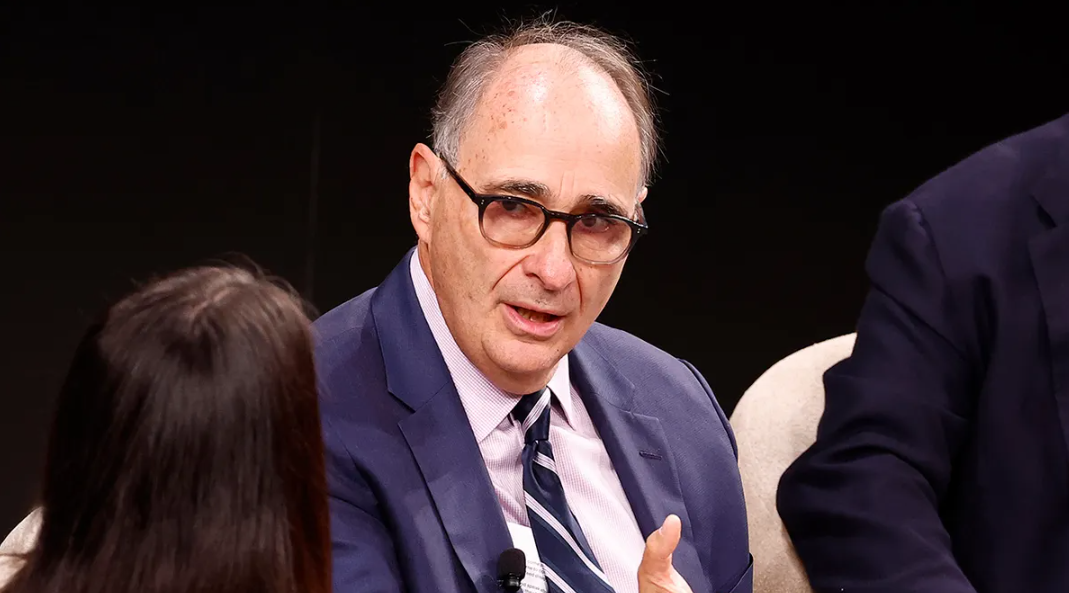
Former Obama advisor David Axelrod recently took to X to highlight a Wisconsin couple whose premiums reportedly tripled. His explanation? “Congressional inaction.” The implication was clear: Republicans are responsible for the pain families are feeling.
If only we could identify who wrote this law in the first place!
— Scott Jennings (@ScottJenningsKY) February 11, 2026
There’s just one complication — history.
In 2009, Axelrod confidently predicted that once Obamacare was implemented, Americans would appreciate it and see tangible improvements in their lives. “I have no doubt that once this bill is passed and implemented, the American people will appreciate it, and it's going to improve the lives of people who are struggling in this healthcare system today,” he said at the time.
That statement has resurfaced online, a reminder of the sweeping promises made when the law was passed.

— Kyle Smith (@rkylesmith) February 12, 2026
Democrats also voted to sunset the enhanced COVID-era subsidies that temporarily masked premium increases. Those subsidies lowered monthly costs for many enrollees, but they were never permanent. When they phase out, premiums rise — not because of new legislation, but because temporary relief expires. That expiration was written into law.
Healthcare reform is complicated. Insurance markets are complex ecosystems shaped by regulation, mandates, subsidies, and risk pools. But political accountability is not complicated. If a party designs, passes, implements, and defends a law for more than a decade, the results — good or bad — belong to them.
David Axelrod, 2026: People’s ACA premiums are tripling.
David Axelrod, pushing the ACA in 2009: "I have no doubt that once this bill is passed and implemented, the American people will appreciate it.
It will improve the lives of people all across this country." https://t.co/AqaKw5XPTp pic.twitter.com/pzyESdjx5W
— Western Lensman (@WesternLensman) February 12, 2026
Instead of delivering universal affordability, critics argue Obamacare reshaped the insurance landscape in ways that increased baseline premiums, narrowed provider networks, and made healthcare policy a perpetual political battleground. Supporters maintain it expanded coverage and prevented certain abuses, such as denying coverage for preexisting conditions. Both realities exist within the broader debate.

What’s harder to sustain is the argument that rising costs are suddenly someone else’s fault.