

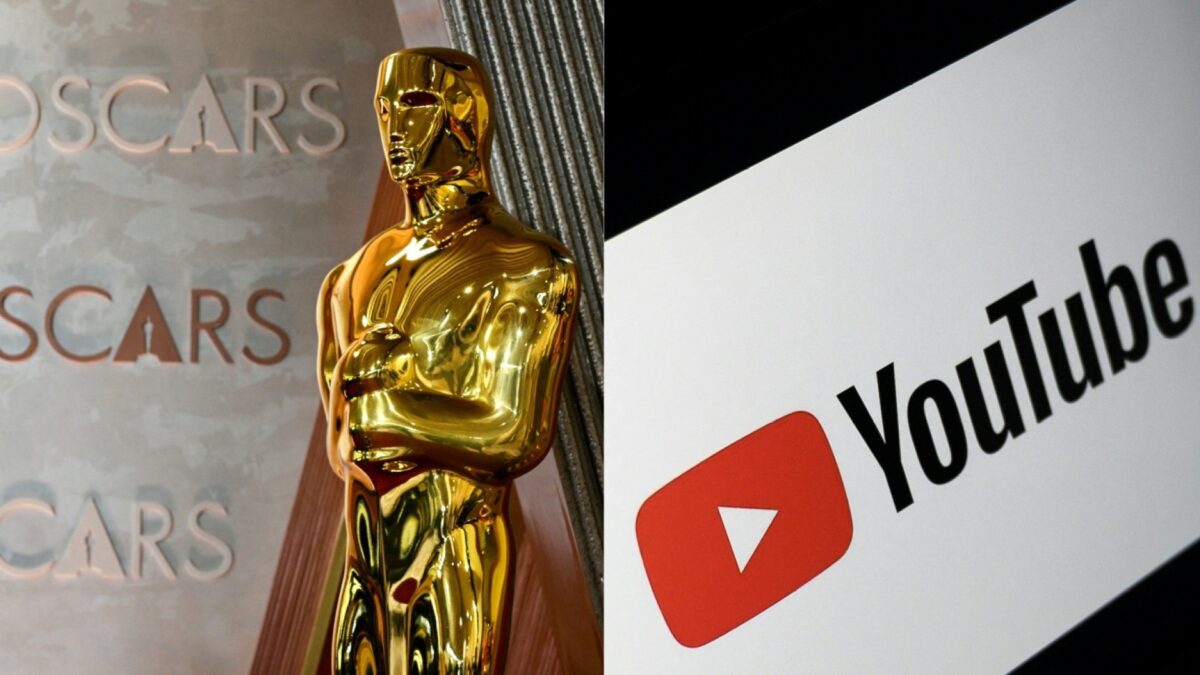

In a move that marks a seismic shift in Hollywood tradition—and perhaps the clearest signal yet of where the entertainment industry is heading—the Academy Awards will leave broadcast television for the first time in over 50 years, taking up residence on YouTube beginning in 2029. The Academy’s long-standing relationship with ABC, which dates back to 1976, will officially end after the show’s 100th anniversary broadcast in 2028.
The announcement, made Wednesday, sent ripples across the entertainment world. More than a change in venue, it’s a strategic pivot: away from legacy media and toward a digitally native, global audience. With over 2 billion users, YouTube offers the Academy a direct line to the next generation of viewers—one less likely to own cable boxes and more accustomed to streaming content on mobile devices than gathering around a television set.
According to YouTube CEO Neal Mohan, the partnership aims to blend “the Oscars’ storied legacy” with a format that inspires “a new generation of creativity and film lovers.” In practical terms, this means not only streaming the awards show itself, but also building a complete Oscars ecosystem on the platform. Viewers can expect red carpet coverage, behind-the-scenes content, nominee reveals, and the Governors Awards—all wrapped in an interactive format suited to the social media age.
ABC, in its parting statement, struck a gracious tone, emphasizing pride in its long tenure with the show and commitment to celebrating the Oscars’ upcoming centennial before passing the torch.
But while the move is being pitched as forward-thinking, it’s also a tacit acknowledgment of a long and steady ratings decline. The Oscars have struggled for decades to maintain relevance with a changing audience, and viewership plummeted during the COVID-19 pandemic. Despite a modest 1% bump this year—up to 19.7 million viewers—the numbers are a far cry from the show’s peak in the late 1990s, when audiences topped 50 million.
The shift to YouTube is not just about digital convenience—it’s also about reclaiming relevance in an era of short attention spans, fragmented media consumption, and growing skepticism about Hollywood’s cultural messaging. The Academy has faced repeated criticism for the overtly political tone of many of its broadcasts, often seen by viewers as out of touch or preachy.
While this year’s host, Conan O’Brien, was widely praised for his lighter touch and relatively apolitical approach—and has been invited back for 2026—the content of the show still leaned into controversial territory.

The award for Best Documentary Feature went to “No Other Land,” a film criticized for its anti-Israel stance. Meanwhile, highly popular right-leaning works like Matt Walsh’s cultural documentary Am I Racist? were once again shut out of the nominations, reinforcing longstanding claims of ideological bias within the Academy.
Now, with the leap to YouTube, the Academy is wagering that it can have both: wider access and tighter control, greater reach and more curated engagement. But it remains to be seen whether moving to a younger platform will solve the Academy's older problem—a disconnect with a large segment of the public.