


The 14th day of the government shutdown brought no surprises — only confirmation that the trenches have been dug deeper, and neither side is budging. What was once billed as a budget standoff is beginning to feel like something more entrenched: a full-scale siege.
Senate Democrats, led by Minority Leader Chuck Schumer, again blocked a GOP-backed continuing resolution (CR) Tuesday — the eighth failed attempt to reopen the government. They’re holding the line, demanding an extension of Obamacare subsidies ahead of the Nov. 1 open enrollment date. Their argument? Without action, millions who rely on ACA tax credits will face soaring premiums.
But the Trump administration — reinforced by OMB Director Russ Vought — isn't flinching. Over the weekend, the administration began the first stages of reductions in force (RIFs), warning that the shutdown won’t be pain-free. Federal employees deemed “nonessential” might not receive back pay, a reality that’s turned rallies and media events into battlegrounds of public perception.
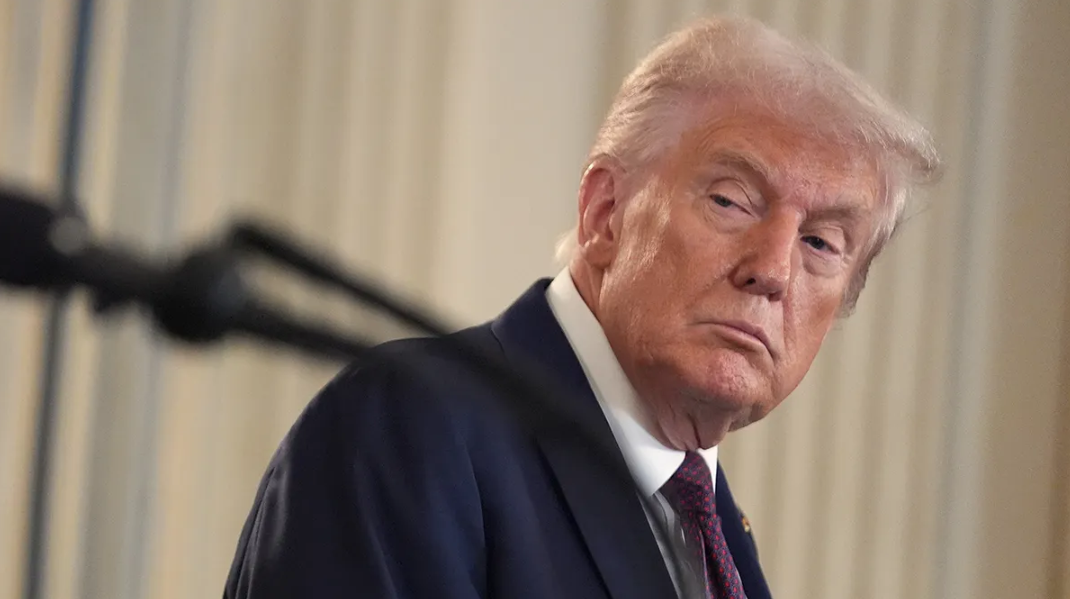
And yet, Trump himself seems to relish the fight. From the White House lawn, he tore into Schumer: “He’s going to finish his career as a failed politician. He’s allowed the radical left to take over the Democrat Party.” For Trump, this is not just a budget battle. It’s a broader political struggle over spending, ideology, and the role of government.
Democrat members of Congress just attempted to barge into Speaker Mike Johnson's office.
Rep. Nanette Barragan (D-CA) is at the front in this video screaming at a Capitol Police Officer.pic.twitter.com/TW4RS5kqQd
— Greg Price (@greg_price11) October 15, 2025
There was one short-term relief: Trump authorized the Pentagon to redirect funds to ensure military paychecks would arrive on Oct. 15. But Senate staffers — and other government workers — are facing their own deadline with the Oct. 20 pay period approaching. And with talks still stalled, few expect paychecks or progress by then.
Senate Majority Leader John Thune has stuck to his strategy: keep bringing the GOP CR to the floor. Let Democrats reject it. Let the record show who’s blocking the government from reopening. “Democrats like to whine that Republicans aren’t negotiating,” Thune said Tuesday, “but Republicans haven’t put forward any demands. Only Democrats have — and very expensive demands.”
Schumer, in turn, jabbed back: “That means, like it or not, the Republican leader needs to work with Democrats in a bipartisan way.” He’s pointed to his past as majority leader — when 13 CRs passed — as proof that compromise is possible, even amid partisan acrimony.

But this is no ordinary shutdown. Unlike the 2018–2019 impasse, which was only partial, this is a full-blown closure of the federal government. And while the record for longest full shutdown still belongs to Bill Clinton and Newt Gingrich’s 21-day standoff in the mid-90s, this one is now edging into historic territory.
Notably, a few Democrats have started to break ranks. Senators Catherine Cortez Masto (D-Nev.) and Angus King (I-Maine) again voted for the Republican bill. Sen. John Fetterman (D-Pa.), who had sided with Republicans on prior votes, was absent Tuesday. The cracks are small — but notable.
Meanwhile, the Senate is not entirely paralyzed. Lawmakers are moving forward on other fronts: the 2026 National Defense Authorization Act and a batch of Trump’s nominees are progressing. Thune has also set up a Thursday vote on the defense spending bill, hoping to unfreeze part of the appropriations gridlock.